Packaging price depends on six factors:
materials, order quantity, printing, structure, finishes, and shipping.
Film structure, barrier performance and sustainability requirements all affect the cost of your packaging.
Material selection affects both performance and cost. Standard PE and PP structures are often more economical, while high-barrier, recyclable and compostable materials require more advanced production and sourcing.


Every production run involves setup costs, tooling, and minimum material requirements. With larger orders, these costs are spread across more units, helping reduce the price per bag.
Larger orders reduce unit costs by spreading setup and production expenses across.
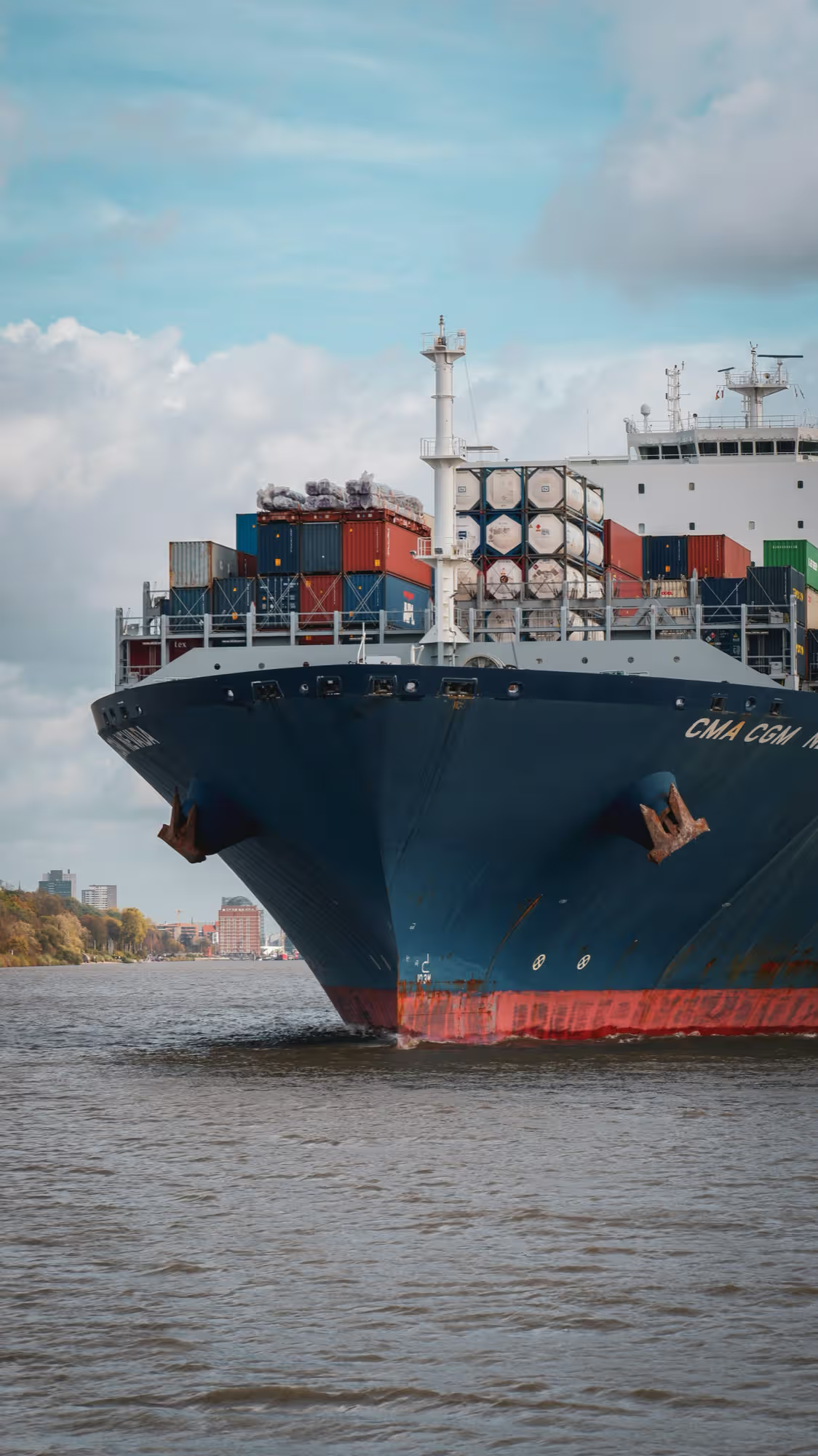
Ocean shipping is generally more economical for larger shipments, while air and express delivery offer faster options at a higher cost.
The best shipping method depends on your order size and delivery timeline.
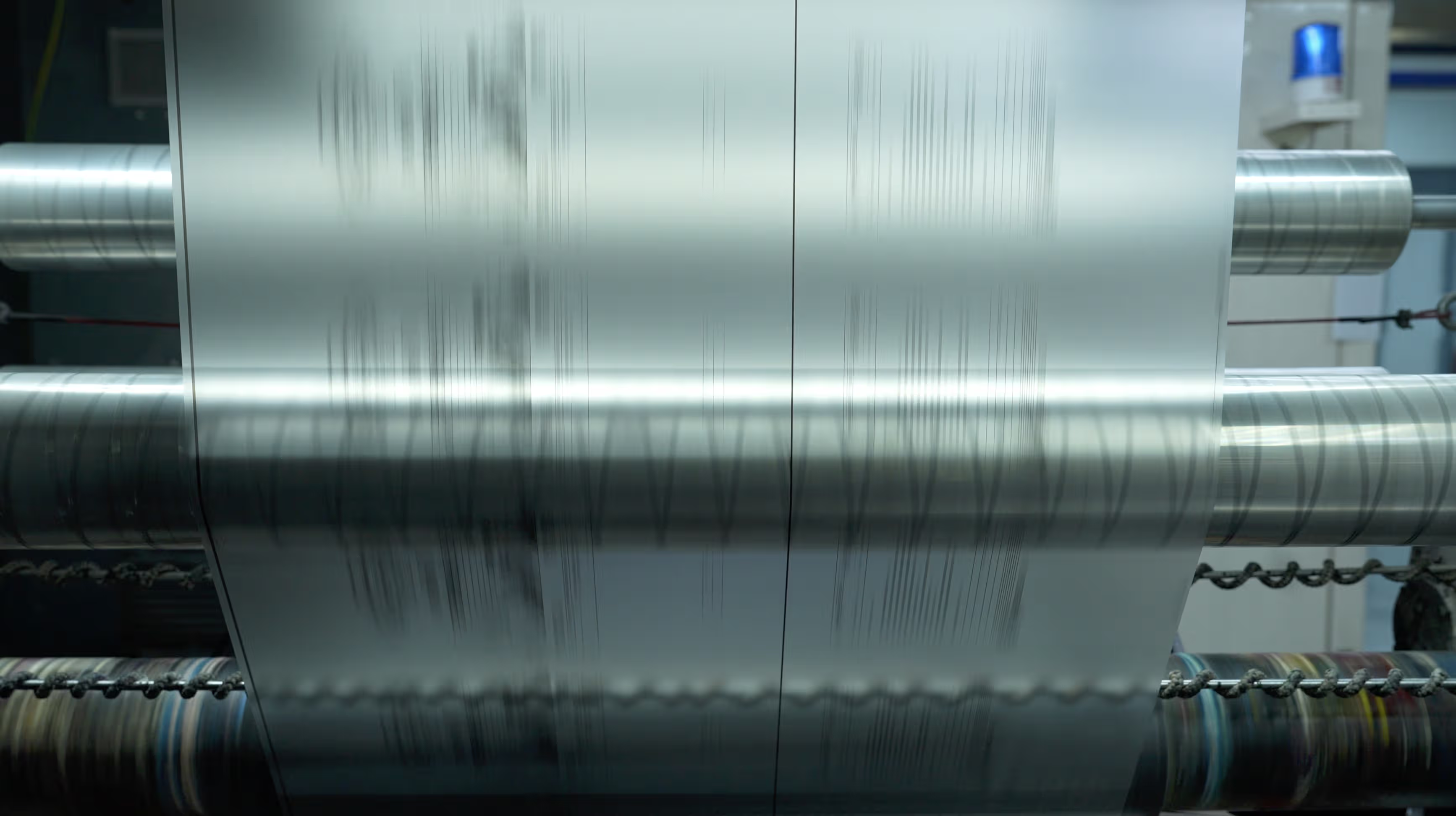
Digital printing is ideal for prototypes and smaller orders, with no printing plate costs. Flexographic and gravure printing require an initial investment in plates or cylinders but are generally more cost-effective for larger production runs.
Zippers, valves, and windows offer different functions depending on your packaging needs.
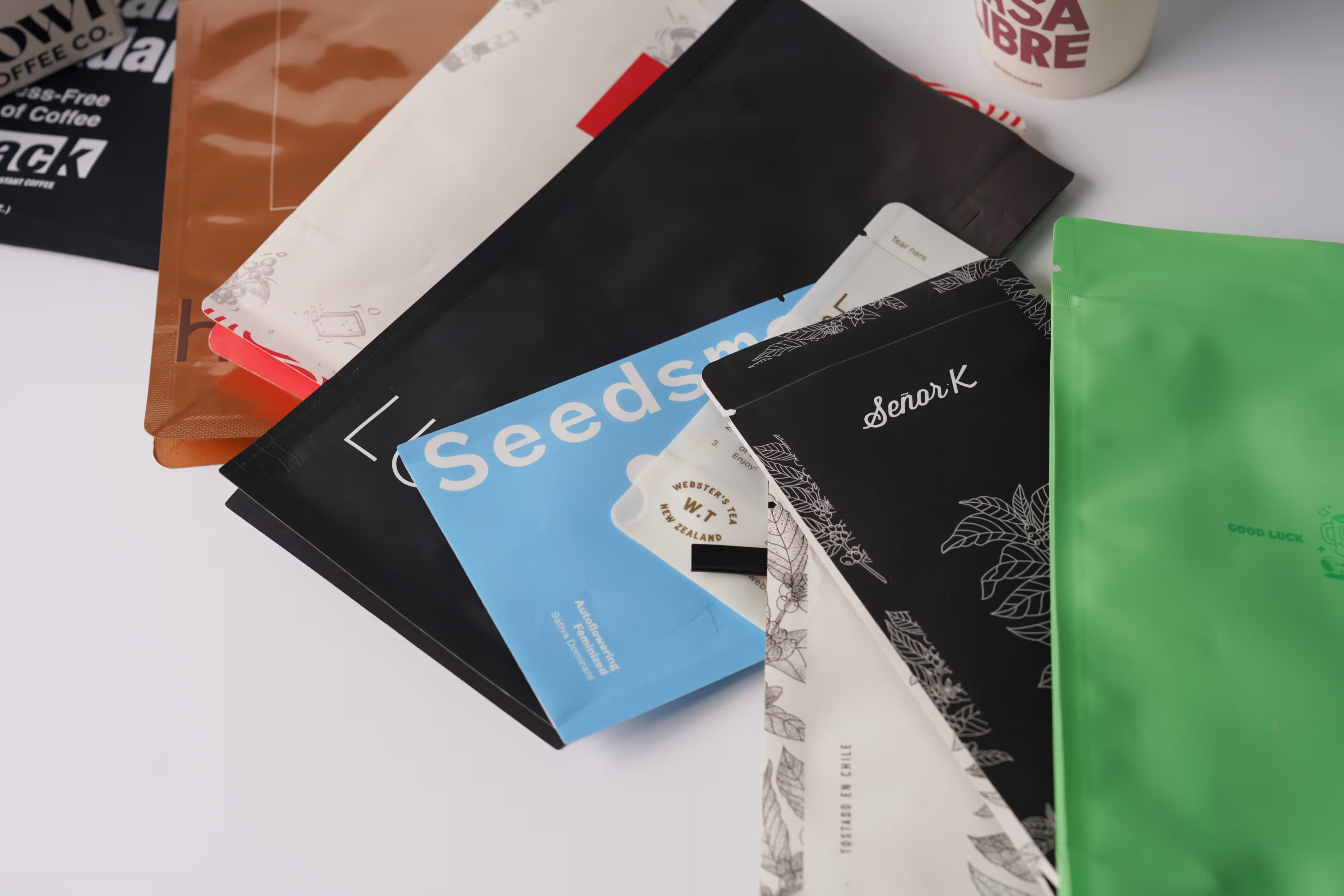
Matte and gloss are common finish options, while techniques such as foil stamping, embossing, and soft-touch coatings can add visual or tactile details. These specialty finishes can also increase production costs.
Premium effects like foil, embossing and soft-touch finishes require additional processing.
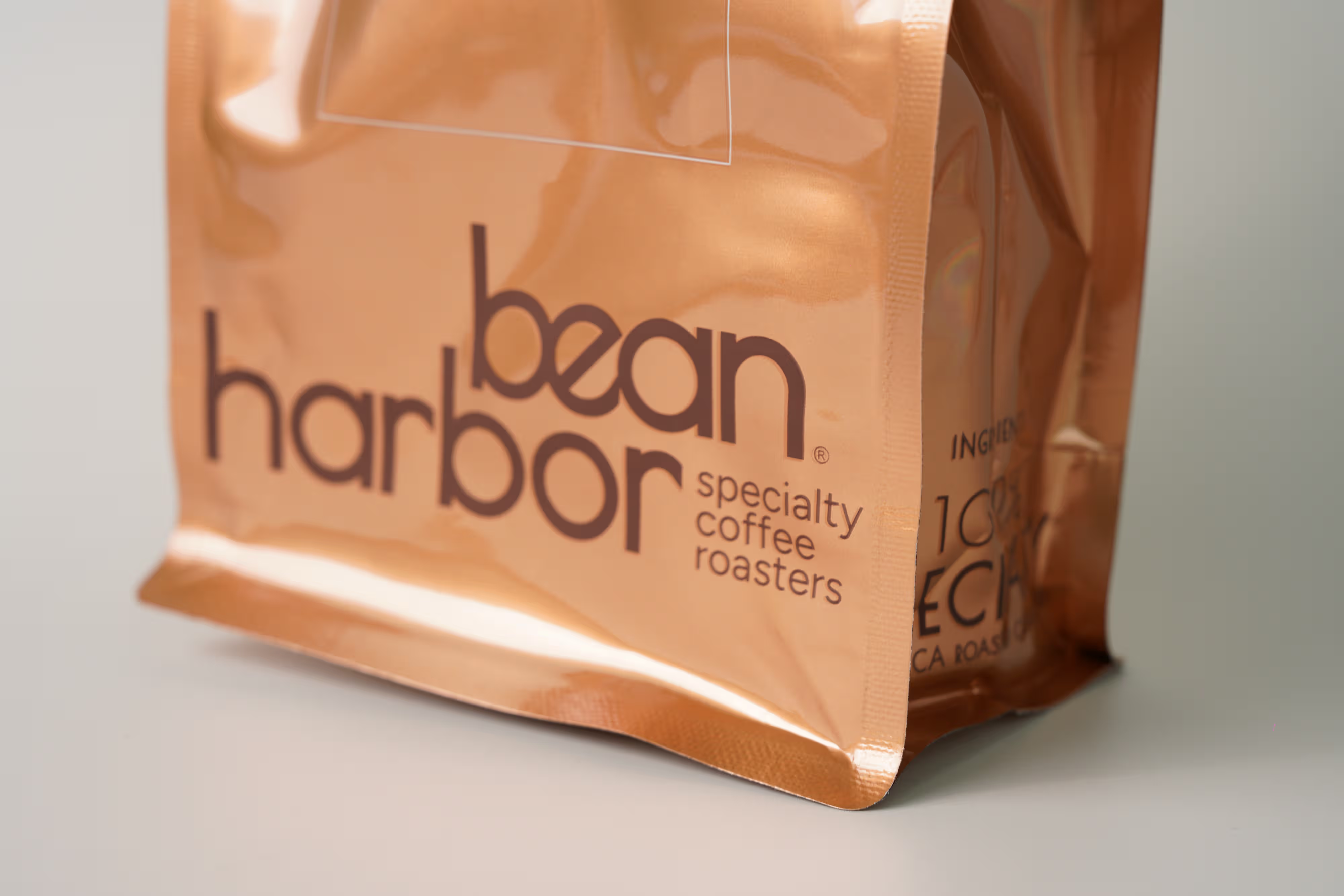
Features such as resealable zippers and one-way valves serve practical purposes, from keeping coffee fresh to releasing gas after roasting. Depending on the design, they may require additional materials or production steps, which can improve user experience but require extra materials, tooling or processing steps.
Volume, destination and delivery speed all play a role in shipping costs.
Digital printing is usually suitable for small orders but has a higher unit cost. For larger orders, the cost per unit generally decreases.
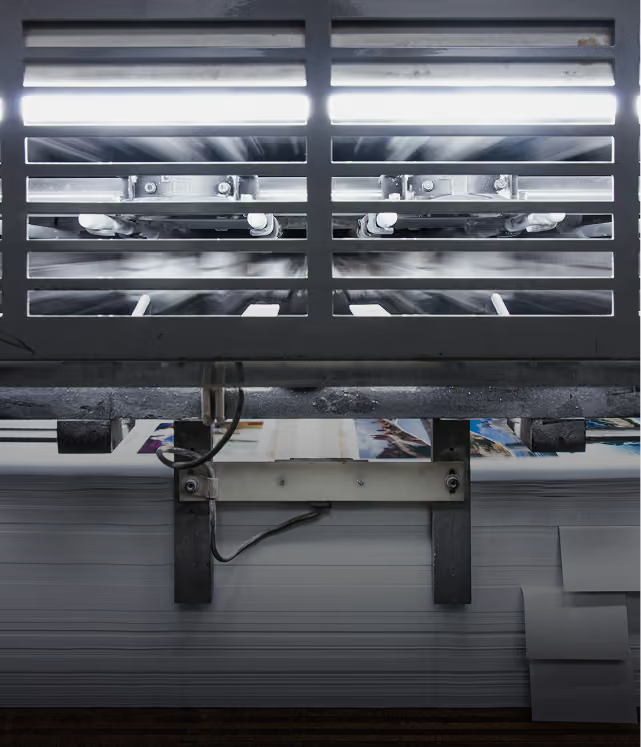
Understanding MOQs and exploring options for orders.
MOQs are driven by material supplier minimums, machine setup time and production efficiency.
Running 3,000 units and 5,000 units takes roughly the same setup time, so the fixed cost per unit is higher at low volumes. Our MOQs are determined by actual production requirements, not arbitrary figures.
Pouches: 3,000 units.
Boxes: 3,000 units.
Paper cups: 10,000 units for custom print.
Carry Card: 5,000 units.
These are general starting points. Actual MOQ depends on material, print method and structure.
For brands that need smaller quantities, we offer digital printing (no plate cost, MOQ from 3,000 units), stock packaging with label application, and shared-plate programs where multiple brands share tooling costs. Contact us to discuss which option works best for you.
Order the largest quantity your budget and storage space allow. Unit prices drop most significantly between 3,000 and 10,000 units.
Using the same materials and bag structure across products can help share tooling costs.
Packaging costs vary depending on materials, printing, design, and sampling. Here are some common costs to consider.
Printing plates and cylinders can be reused for repeat orders.
Plates & Cylinders range from $130–200 per color.
Usually, Flexographic printing plates typically have a shorter lifespan than gravure printing cylinders.
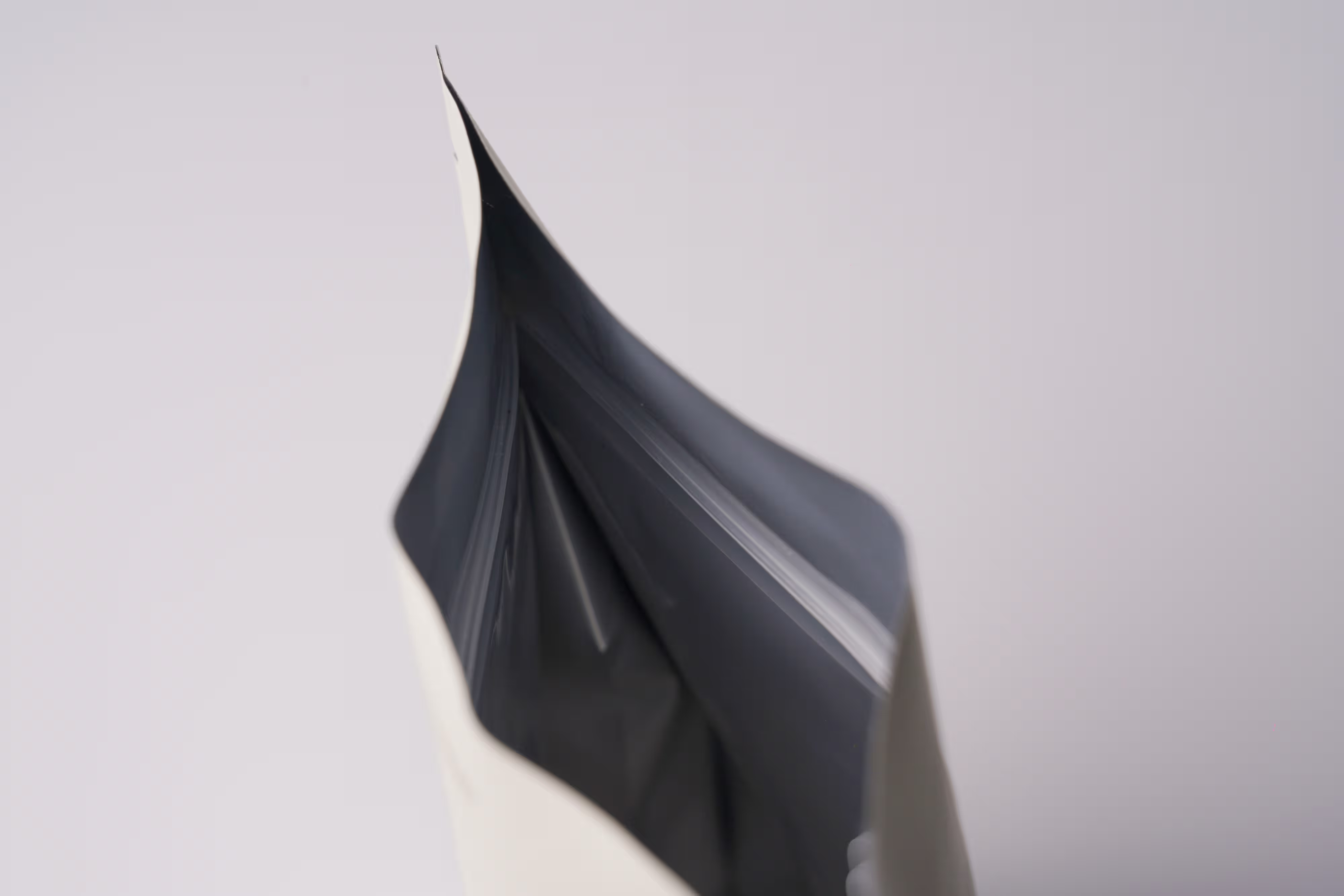
Costs vary by material and structure.
We offer a range of materials, including plastic films, kraft paper, aluminum foil, and recyclable options.
Choose from matte, gloss, and other finishes to achieve your desired look. Costs vary depending on the materials and finishes you select.
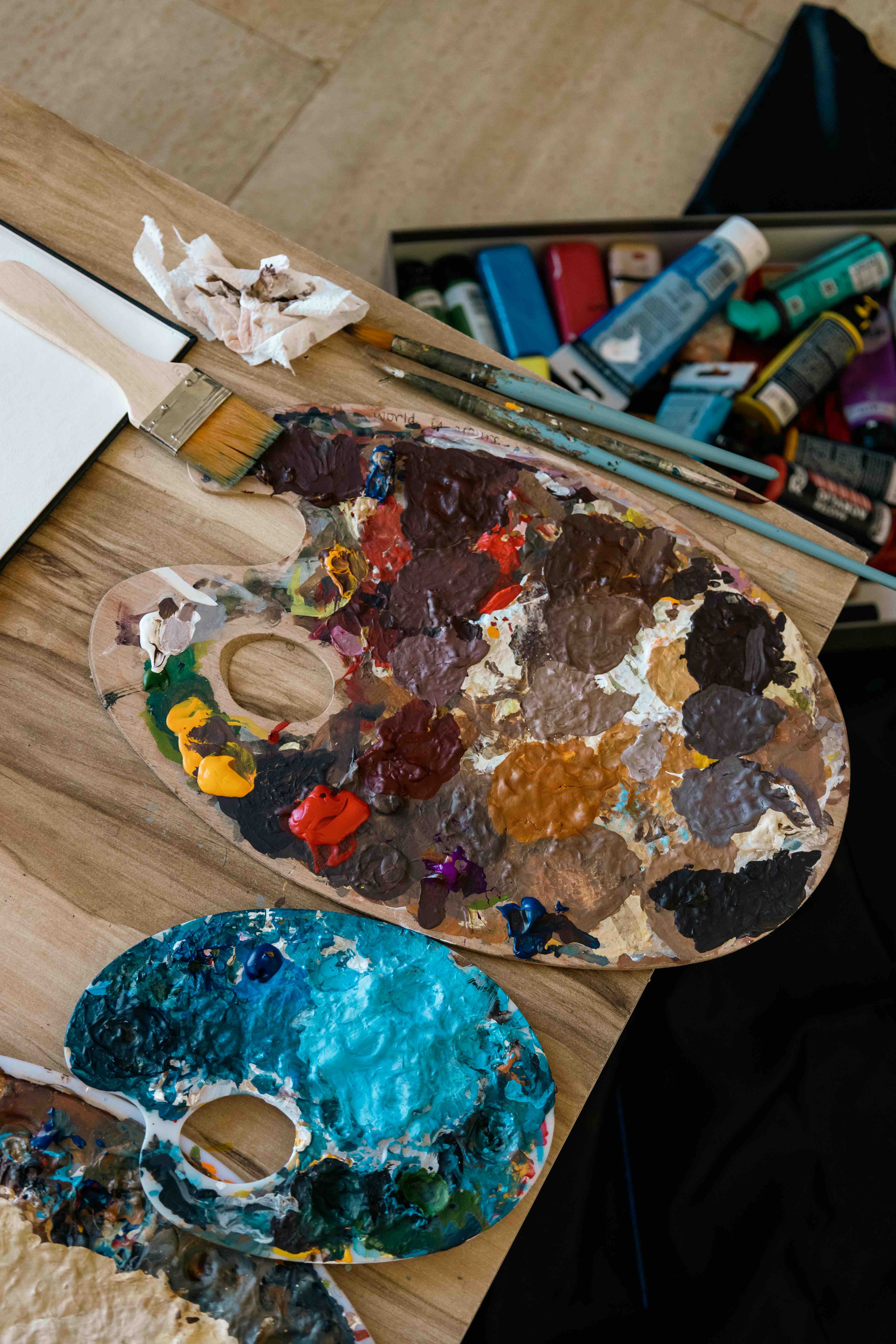
If you provide print-ready artwork, there is no additional design charge.
For projects requiring structural design, dieline creation, or artwork support, costs are quoted separately based on the project scope. Standard design assistance typically ranges from $200–800.
We can also send you samples of our existing products.
Sample costs typically range from $200 to over $1,000, depending on the materials, printing method, and finishing requirements.
Digitally printed samples usually cost a few hundred dollars per SKU, while more refined finishes and higher-quality presentation may increase the cost.
We’ll reply within 24 hours to confirm the details and help with your quote.