Simple guides to materials, printing, production and common terms.
A standardized color reference system used to help maintain consistent brand colors across different printed materials.
A printing technique using specially mixed inks to reproduce specific colors, often used for brand logos and identity elements.
A non-glossy surface treatment that reduces reflections and gives packaging a softer, more understated appearance.
A surface coating or film that gives packaging a smooth, velvety texture, enhancing its tactile appeal.
A finishing technique that applies glossy coating to selected areas, creating contrast with the surrounding surface.
A built-in closure that allows consumers to open and reseal packaging repeatedly after its initial opening.
A folded section of packaging material that expands to provide additional internal space or help the bag stand upright.
A technical template showing the exact dimensions, folds, seals, and cutting boundaries of a packaging design.
Packaging made predominantly from a single material type, such as polyethylene, to support more straightforward recycling.
A packaging structure combining multiple material layers to achieve specific properties such as strength, barrier protection, and sealability.
A widely used plastic material valued for its flexibility, moisture resistance, and heat-sealing properties.
A polyester film commonly used in packaging for its strength, dimensional stability, and suitability for printing.
A thin aluminum layer used in packaging to provide excellent protection against oxygen, moisture, and light.
A high-performance barrier material often used in packaging films to reduce oxygen transmission and protect product freshness.
A material's ability to form a secure seal using heat and pressure, helping prevent leaks and contamination.
A printing process that combines cyan, magenta, yellow, and black inks to reproduce a wide range of colors.
The smallest quantity of custom packaging you can order at one time.
The time needed to produce your packaging after all details are approved.
A printing method ideal for smaller orders, multiple designs, and limited editions.
A printing method that delivers consistent quality for large packaging orders.
How well packaging protects your products from oxygen, moisture, and light.
A small valve that lets gas escape from freshly roasted coffee while keeping outside air out.
An EU regulation introducing requirements for packaging sustainability, waste reduction, recyclability, and related compliance obligations.
Materials intended to come into contact with food, which must meet applicable safety requirements for their intended use.
Products with the same weight can take up different amounts of space depending on their volume, so they may need different bag sizes.
Different products need different level of protection against moisture, oxygen, and light.
Low-resolution images may look fine on screen but appear blurry when printed.
Text and logos placed too close to the edges may get
cut off during production.
Printed colors may look different from what you see on your computer or phone.
Packaging should balance visual appeal with protection to keep your product fresh.
Make sure your packaging works with your filling equipment and process.
Testing a sample helps you check the size, material, and overall feel before production.
International shipping and customs clearance can take longer than expected.
Different printing methods suit different order quantities, designs, and budgets.
Zippers, valves, and tear notches should be confirmed before production.
Check that your packaging includes all labels and information required in your market.
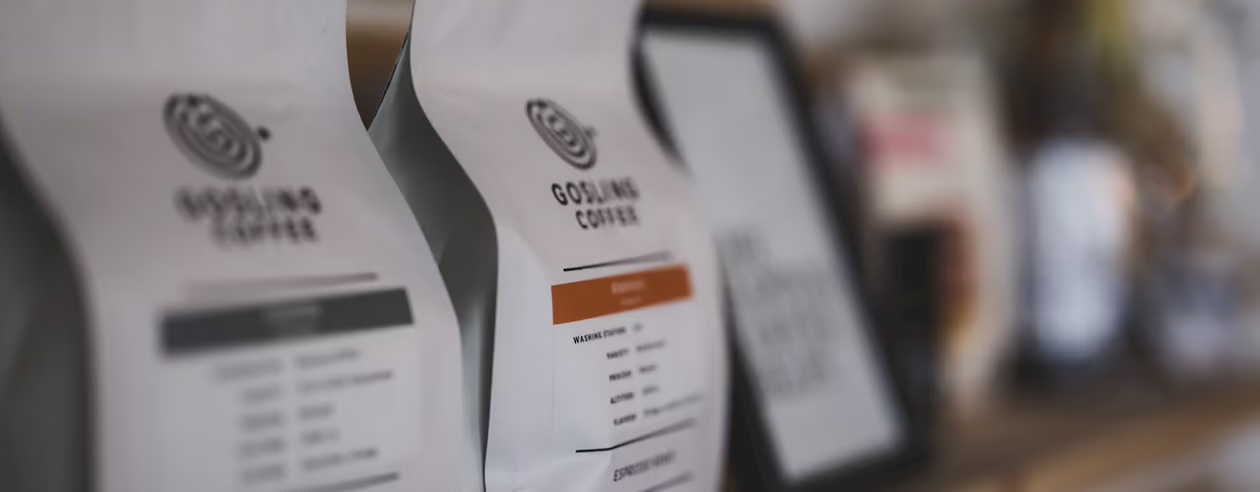
If you have a packaging preference, send us a physical sample to help us understand the material, thickness, finish and structure.

If several designs use the same bag size and material, consider ordering them together to reduce setup time and costs.
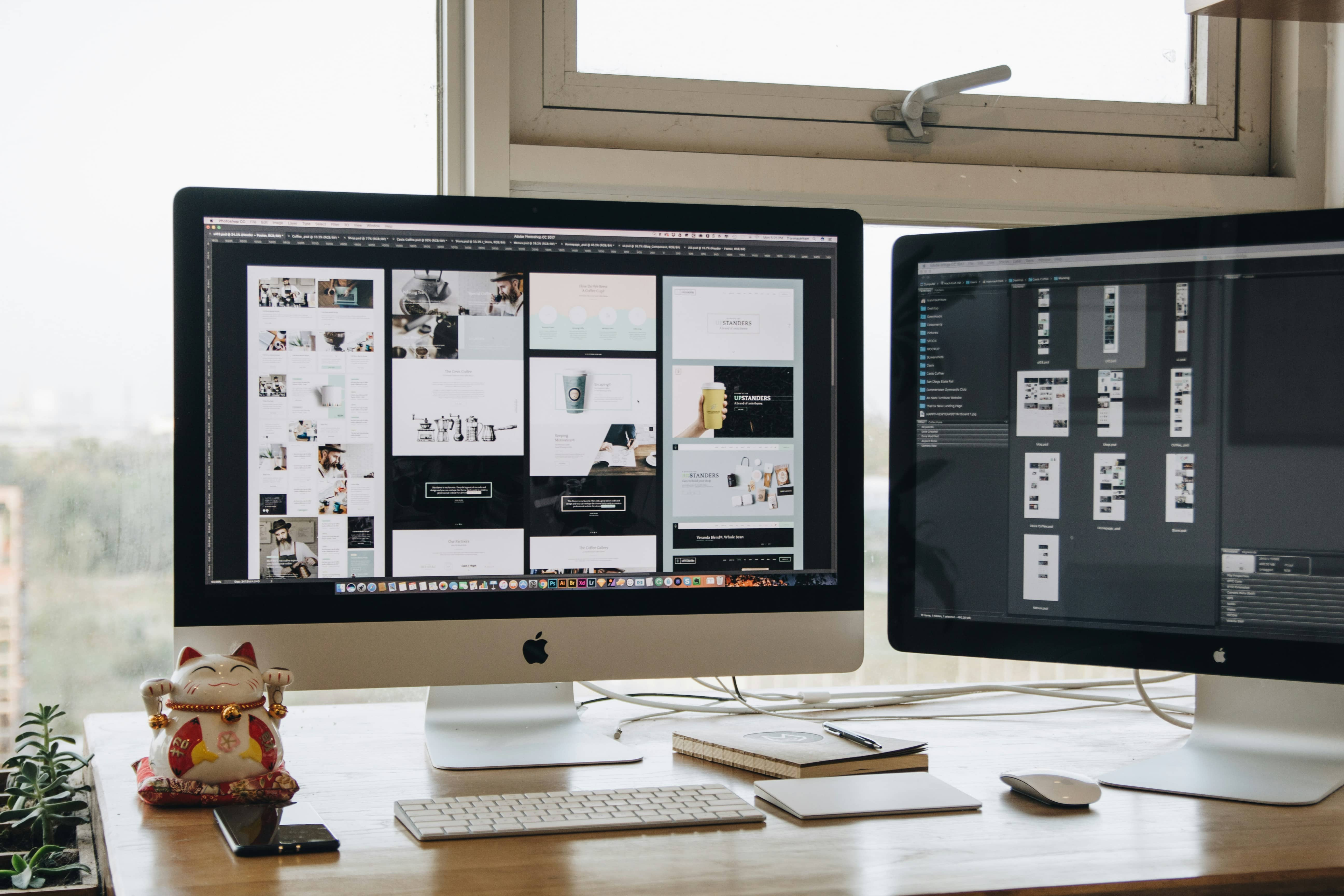
Having your logo, colours and basic design files ready before requesting a quote helps us provide a faster, more accurate quote.
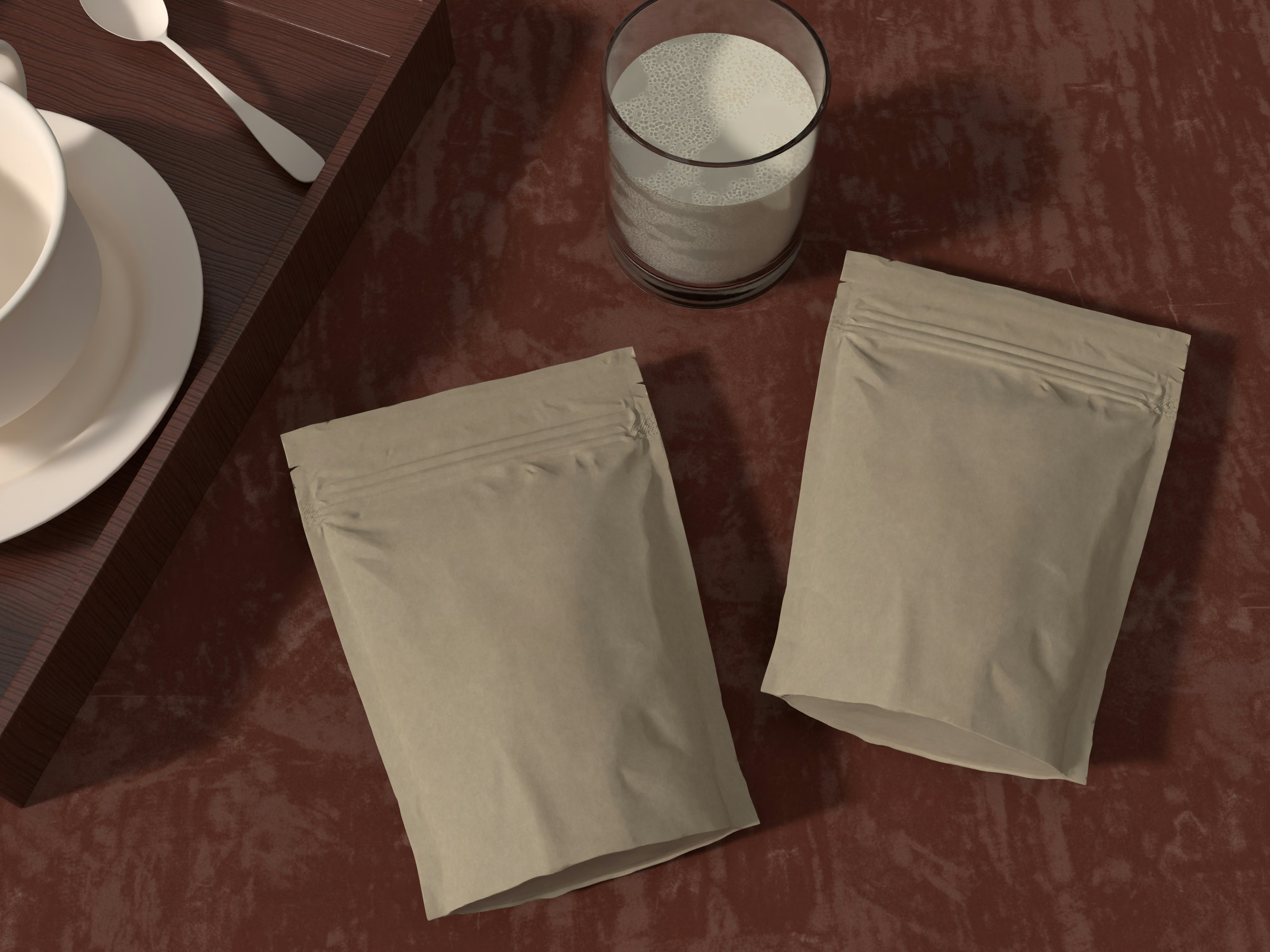
Request material samples before final approval so you can see how the colours and finishes look on the actual material.
We’ll reply within 24 hours to confirm the details and help with your quote.