
Independent insights on packaging materials, printing, sustainable packaging and design
Choosing the right printing method for your coffee bags affects more than appearance. It influences your costs, minimum order quantities (MOQs), production timelines, and flexibility as your business grows.
Digital and rotogravure printing can both produce excellent results, but each has its strengths.
At Holden Pak, we work with both methods to produce custom coffee packaging for roasters around the world. Here's what we've learned from our production experience, and how to decide which method suits your business.
Digital printing is generally better for smaller orders and frequently changing designs, while rotogravure printing is more economical for larger, repeat orders.
These are Holden Pak's standard production guidelines. Production timelines begin after final proof approval and exclude shipping.
Digital printing produces packaging from digital artwork without conventional printing plates or engraved cylinders.
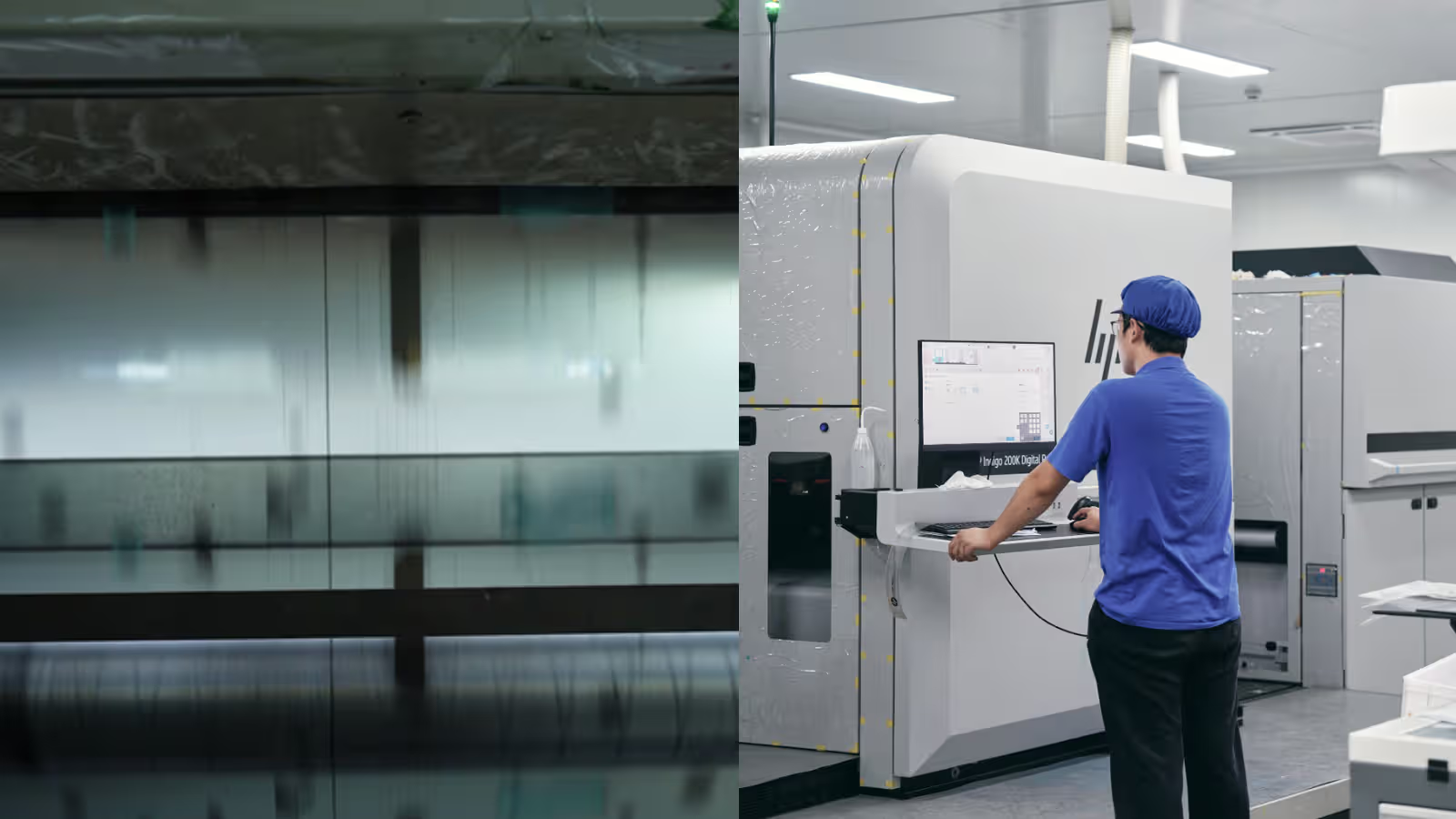
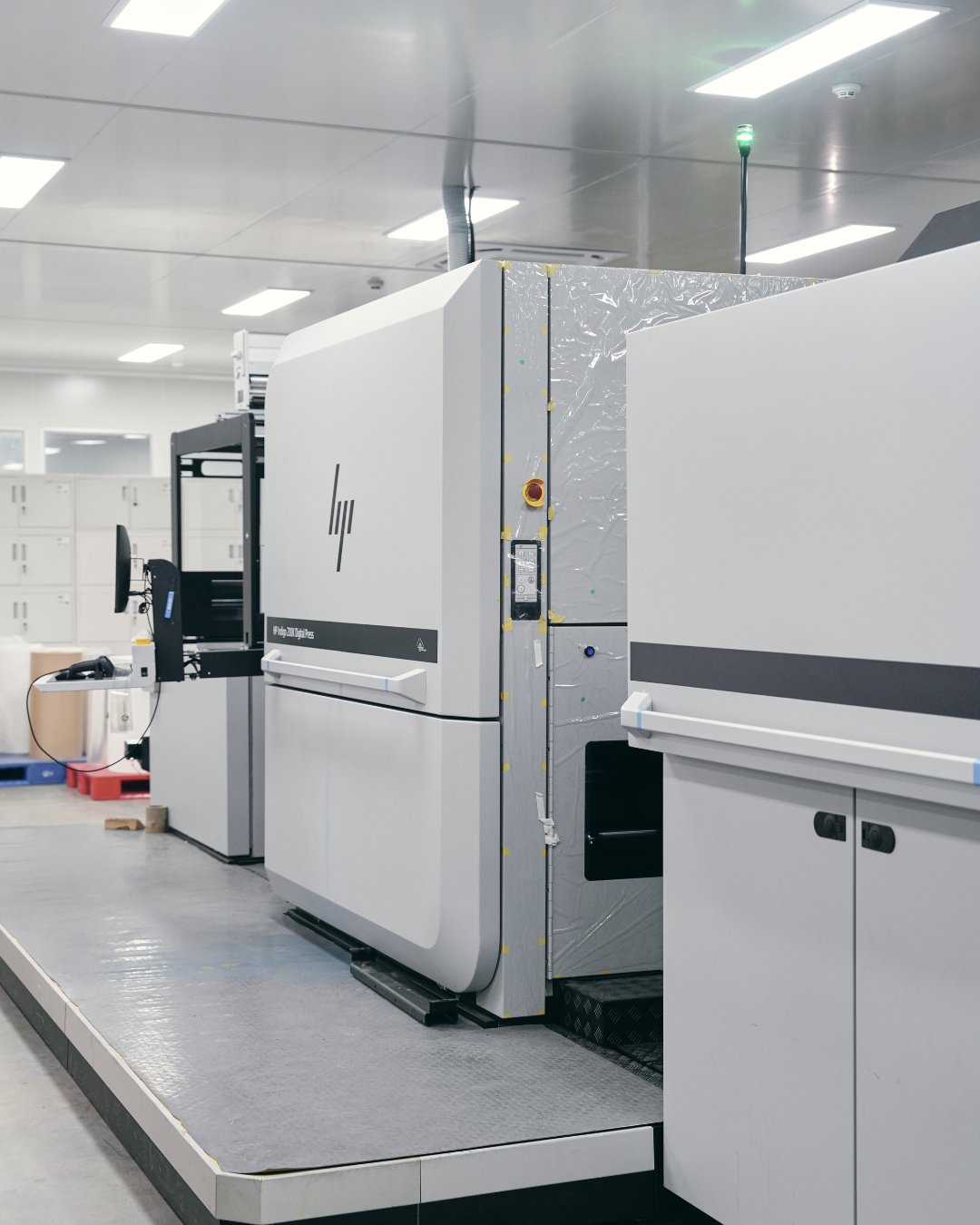
At Holden Pak, we use the HP Indigo 200K, which employs Liquid Electrophotography (LEP) and One Shot Color technology. The process transfers colours together onto flexible film, helping maintain accurate registration and reproduce detailed designs.
For specialty coffee roasters, the main advantage is flexibility.
A roastery might offer several single-origin coffees, each with different artwork. Some designs may change seasonally, while others are still being developed. Digital printing makes these variations easier to manage without investing in separate printing cylinders.
Digital printing generally has a higher unit cost at larger volumes. Matching specific physical colour references may also require additional adjustments, and certain materials or finishes need compatibility checks.
For brands testing new products or managing multiple designs, however, the flexibility can outweigh the higher unit price.
Rotogravure printing uses engraved metal cylinders to transfer ink onto packaging film. Each printing colour requires its own cylinder.
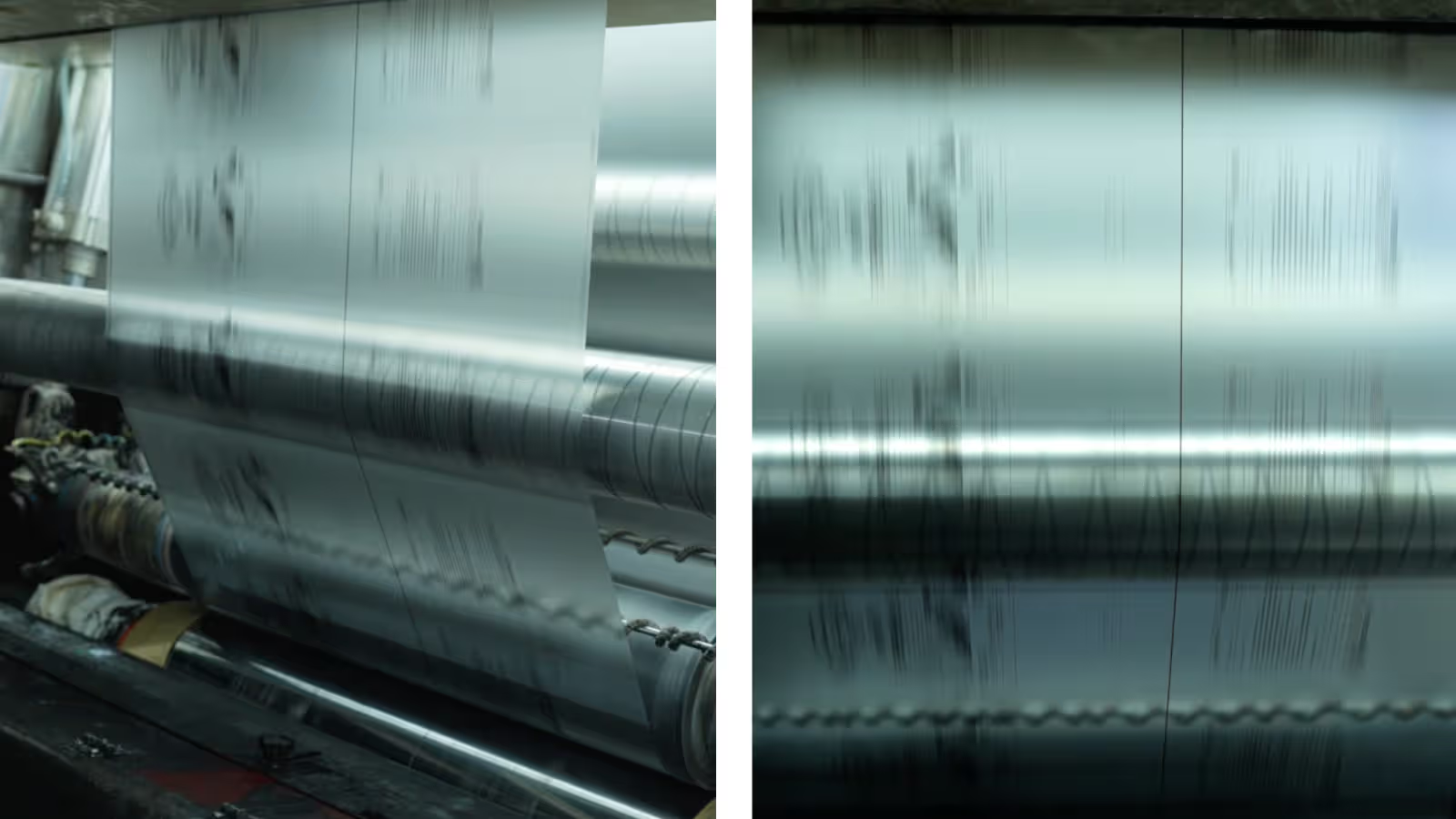
Cylinder production adds an initial investment, but once production begins, rotogravure can print substantial quantities efficiently and at a lower unit cost.
It is especially suitable for established coffee brands with predictable demand and packaging designs that remain consistent across repeat orders.
Rotogravure requires higher MOQs, additional setup time, and an upfront cylinder investment. Artwork changes may also require new cylinders.
At Holden Pak, rotogravure orders typically start at 10,000 bags per SKU.
Quantity is usually the first consideration.
If you're launching three single-origin coffees, ordering 10,000 bags of each design may create unnecessary inventory.
Digital printing allows you to start with smaller quantities and adjust future orders as demand develops.
For an established house blend with steady sales, rotogravure may offer better long-term value.
Consider the complete cost, including cylinder fees, unit prices, inventory storage, and potential artwork changes.
There is no universal break-even quantity. The most economical method depends on your bag specifications, artwork, and ordering frequency.
Both methods can produce professional-quality coffee packaging.
Digital printing is particularly effective for detailed artwork and multiple design variations. Rotogravure offers strong colour consistency across large runs and allows precise ink adjustments against approved references.
At Holden Pak, our team uses CIELAB measurements and Delta E (ΔE) checks to evaluate colour differences during production.
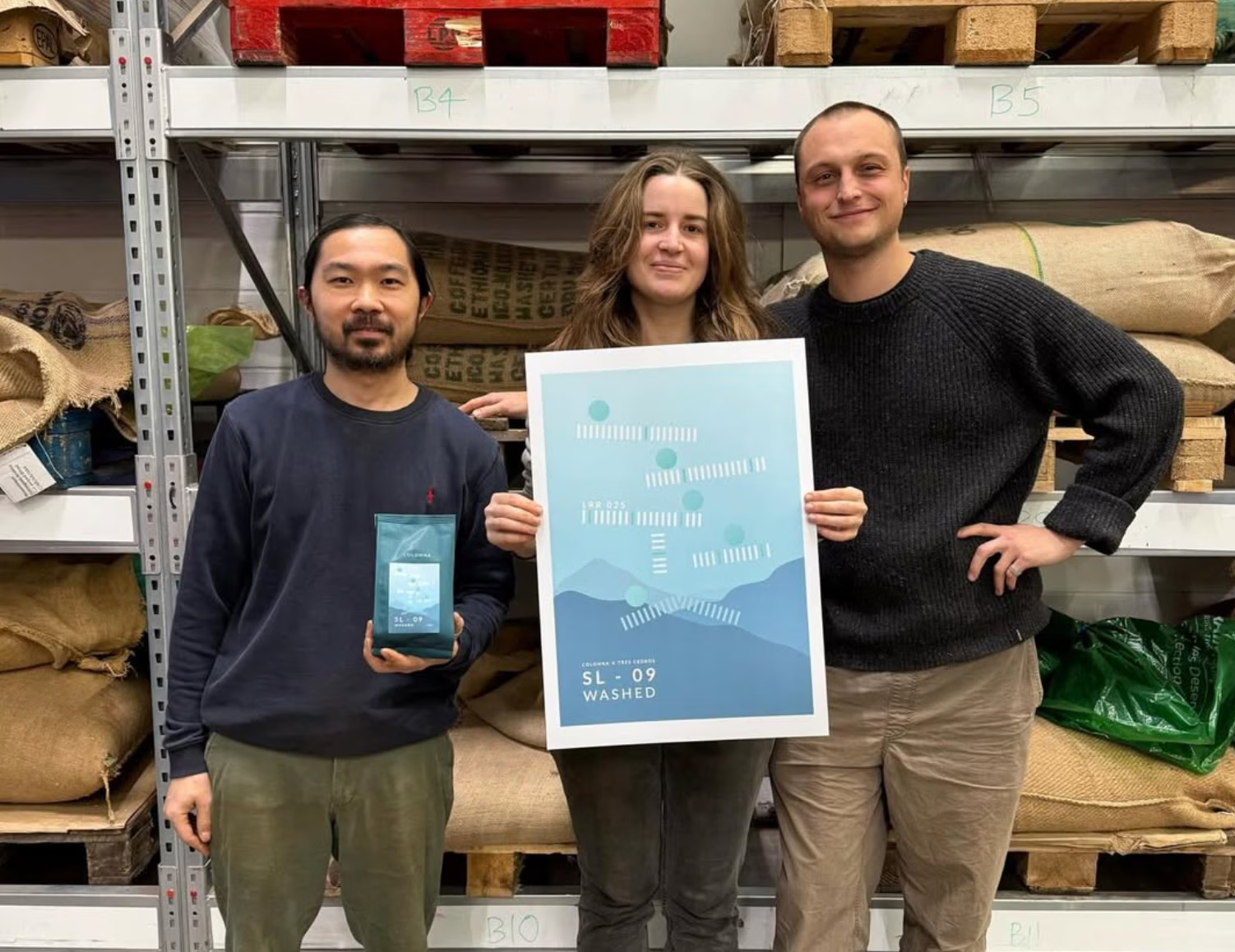
For a Thirdshift Coffee packaging project, our team carried out six rounds of colour refinements, adjusting hue, chroma, and lightness to achieve the intended appearance.
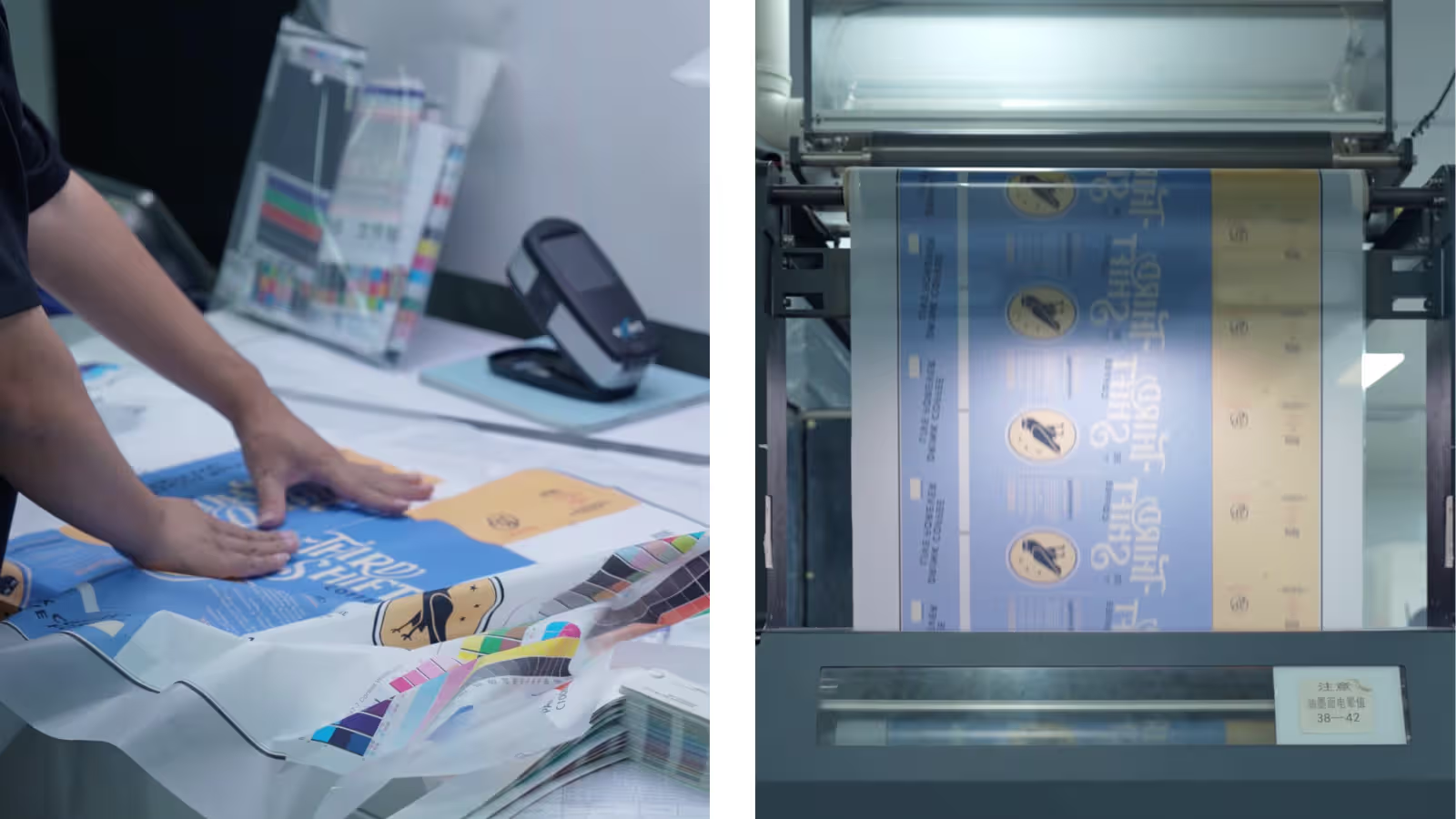
The experience illustrates an important point: good printing depends on more than the machine. Clear colour references, careful adjustments, and approved samples all contribute to the finished result.
Digital printing eliminates cylinder preparation, but printing is only one part of manufacturing a coffee bag.
Depending on the packaging structure, printed materials may undergo lamination, curing, slitting, and bag conversion. Features such as zippers and degassing valves are incorporated during production.
At Holden Pak, typical production times are:
Both estimates begin after final proof approval. Shipping times are additional.
The printing method and packaging material are separate decisions.
Coffee freshness depends primarily on barrier properties, sealing performance, and suitable packaging features.
Both printing methods can work with different flexible packaging structures, depending on material compatibility.
Options may include high-barrier laminates, selected recyclable mono-material films, matte or gloss finishes, resealable zippers, and one-way degassing valves.
Explore our custom coffee bags with valve to learn more about available formats and features.
One example of our rotogravure production is Stooker Specialty Coffee, an Amsterdam-based coffee brand known for its distinctive blue-and-white packaging.
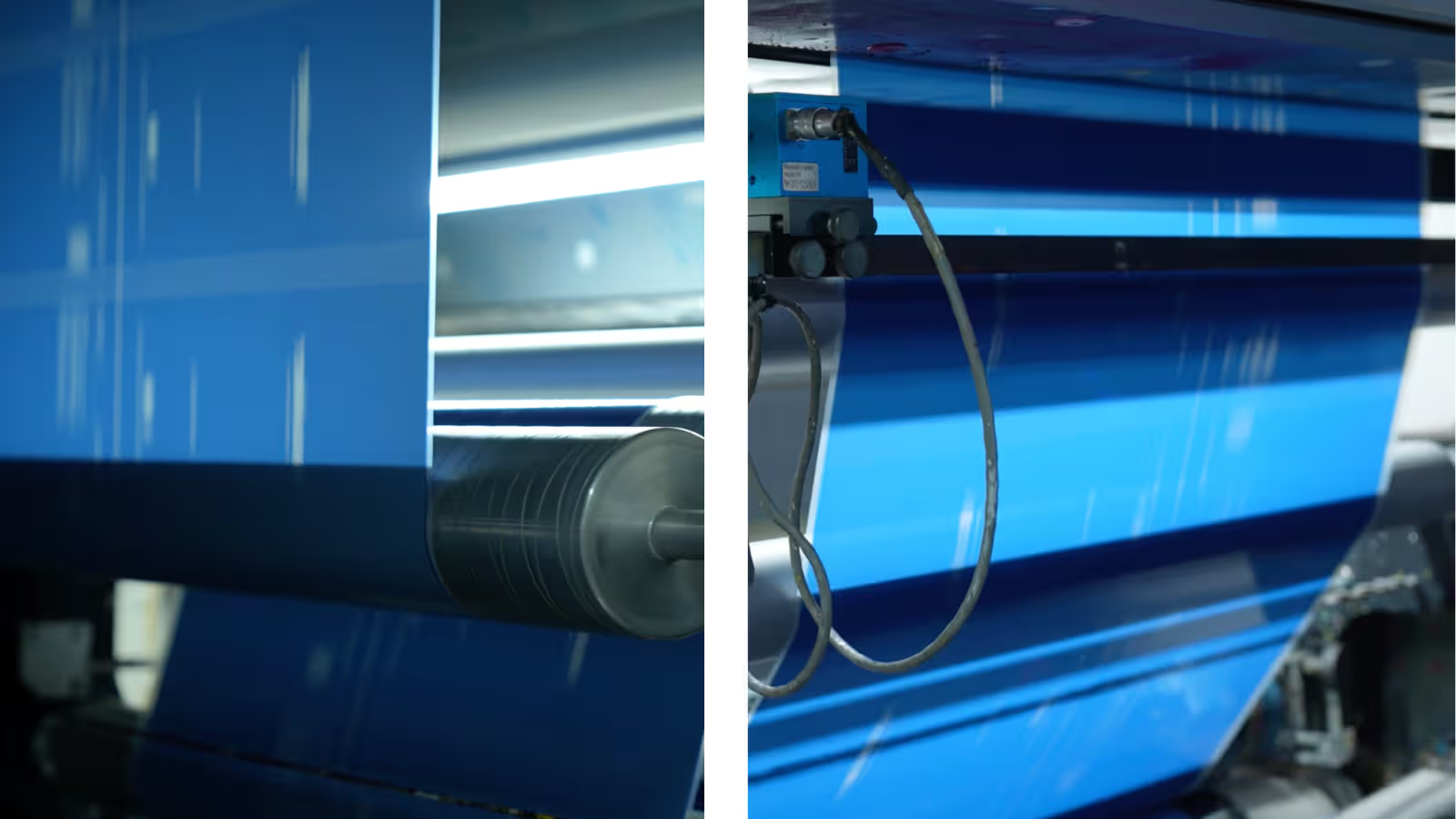
With such a restrained colour palette, small variations in printing can become noticeable. Maintaining a consistent appearance is therefore especially important.
At Holden Pak, we produce Stooker's packaging using rotogravure printing, monitoring colour reproduction and print registration throughout production.
Our production team conducts regular inspections, checking dimensions, colour differences, print alignment, and other quality specifications.
The goal is straightforward: to ensure the packaging looks as intended, not just on the first printed bag, but throughout the production run.
You can explore more of our printing equipment, manufacturing processes, and customer projects on our factory page.
Choose digital printing if you:
Choose rotogravure printing if you:
Some coffee brands eventually use both methods: digital printing for limited editions and rotogravure for established, higher-volume products.
Digital printing generally has lower upfront setup costs, while rotogravure typically offers lower unit costs for larger orders. The total cost depends on quantity, materials, and design requirements.
Yes. Your artwork may require prepress adjustments, new cylinders, and fresh colour approval before switching.
Both can deliver excellent results. Rotogravure is particularly effective for repeat production with established colour standards, while modern digital presses also offer accurate colour reproduction.
Not directly. Freshness depends mainly on packaging barriers, sealing performance, valves, and storage conditions.
The best printing method depends on how your coffee business operates.
Digital printing offers flexibility for growing roasters, while rotogravure provides cost efficiency for larger, repeat orders.
At Holden Pak, we help coffee brands evaluate printing methods, materials, and production requirements to find the right solution for their packaging.
Planning your next coffee packaging order? Get in touch with our team to discuss your project.
We’ll reply within one business day to confirm the details and help with your quote.