
Independent insights on packaging materials, printing, sustainable packaging and design

Choosing the right coffee packaging supplier takes more than comparing prices. Your coffee bags need to protect freshness, represent your brand, and fit your production schedule and budget.
For coffee roasters, the challenge becomes even greater when managing multiple products, updating designs, or increasing order volumes.
A reliable supplier should understand your coffee, explain technical recommendations clearly, and help you make informed purchasing decisions.
Here are 12 questions to ask when evaluating a coffee packaging manufacturer, plus a real sourcing example that shows how these decisions work in practice.
Different coffee products require different packaging solutions.
Whole beans release carbon dioxide after roasting. Ground coffee has a larger exposed surface area, making oxidation a greater concern. Roast level, packing time, and storage conditions also influence the right packaging choice.
Before recommending a solution, a supplier should ask:
These details help determine the right coffee packaging materials and bag structures. The more a supplier understands your product, the better its recommendations can be.
Coffee packaging must limit exposure to oxygen and moisture, both of which can affect aroma, flavour, and shelf life.
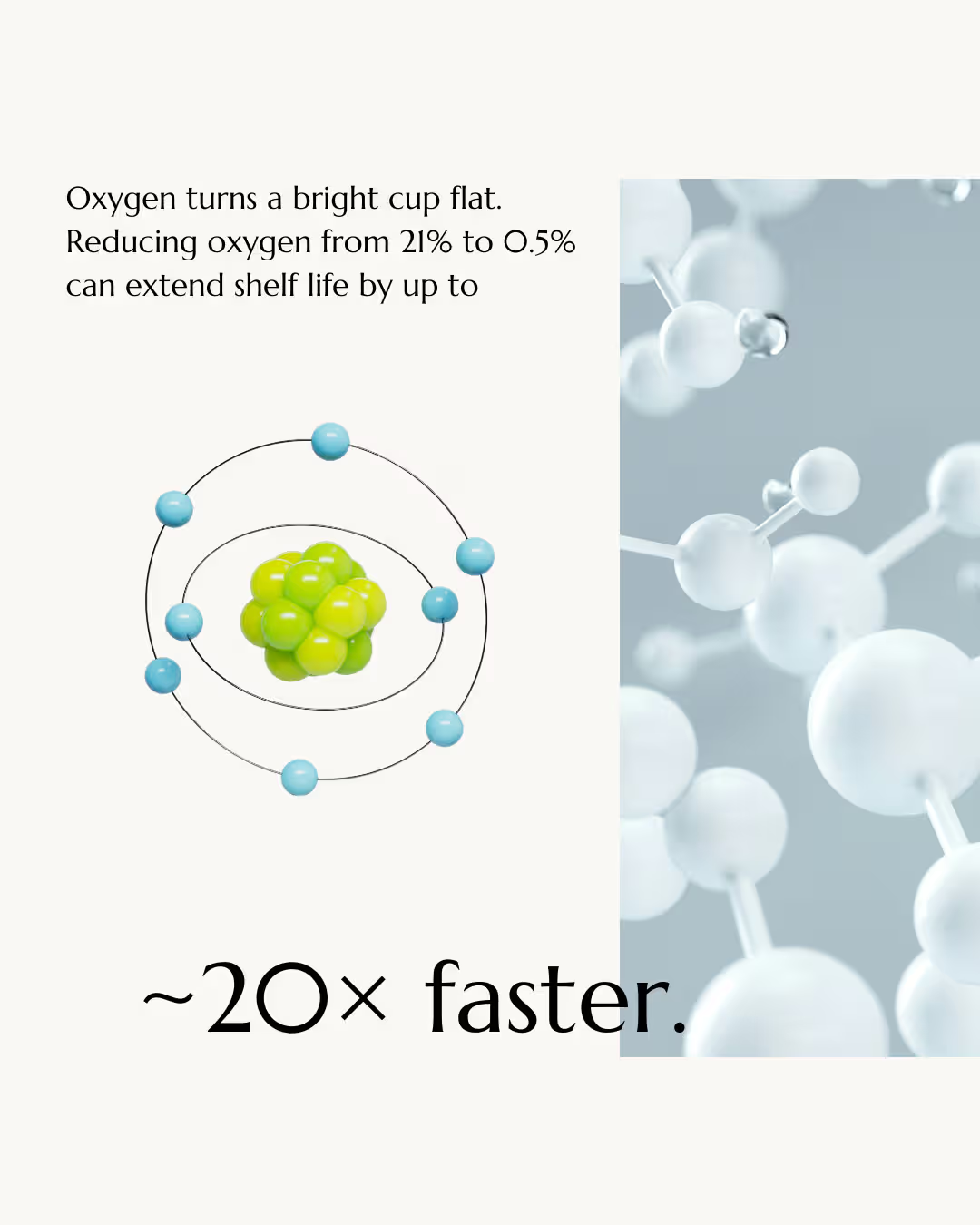
Instead of accepting vague claims such as “high barrier,” ask for measurable performance data.
Two important indicators are:
Lower values generally indicate better barrier performance, provided the materials are tested under comparable conditions.
For example, PET/AL/PE structures typically provide strong protection against oxygen, moisture, and light.
Always ask for the testing conditions and the exact material structure. A film with excellent barrier properties may still perform poorly as a finished bag if its seals or valves are unsuitable.
Freshly roasted coffee releases carbon dioxide. A one-way degassing valve allows gas to escape while limiting outside air from entering the package.
However, the valve should match your coffee’s degassing behaviour and packing process.
Resealable closures also deserve attention. Once a bag is opened, repeated exposure to air can accelerate quality deterioration. Zipper design and repeated-closure performance therefore matter to consumers.
Consider both:
Ask your supplier how its valve and closure recommendations support both stages.
Certifications provide useful information about a manufacturer’s management systems, but they should be supported by product-specific testing.
Buyers can assess quality evidence at three levels:
EvidenceWhat to requestManagement systemsRelevant certifications and audit recordsProduct performanceMaterial specifications, test reports, and approved samplesProduction consistencyInspection records and batch traceability
For example, ISO 9001 certification does not independently prove that a particular coffee bag meets a specified oxygen-barrier requirement.
Ask whether the reports apply to the exact structure you intend to purchase.
A sample may look excellent but still perform poorly during filling or sealing.
Before mass production, test the packaging with your actual coffee and equipment wherever possible.
Pay attention to both seal strength and seal integrity. These are related but different properties:
ASTM F88/F88M provides a standard method for evaluating seal strength in flexible barrier materials.
Reviewing physical samples and printed proofs can also help identify issues with materials, dimensions, colours, and finishing before production.
An approved sample establishes a quality reference. The supplier must then reproduce it consistently during production and future orders.
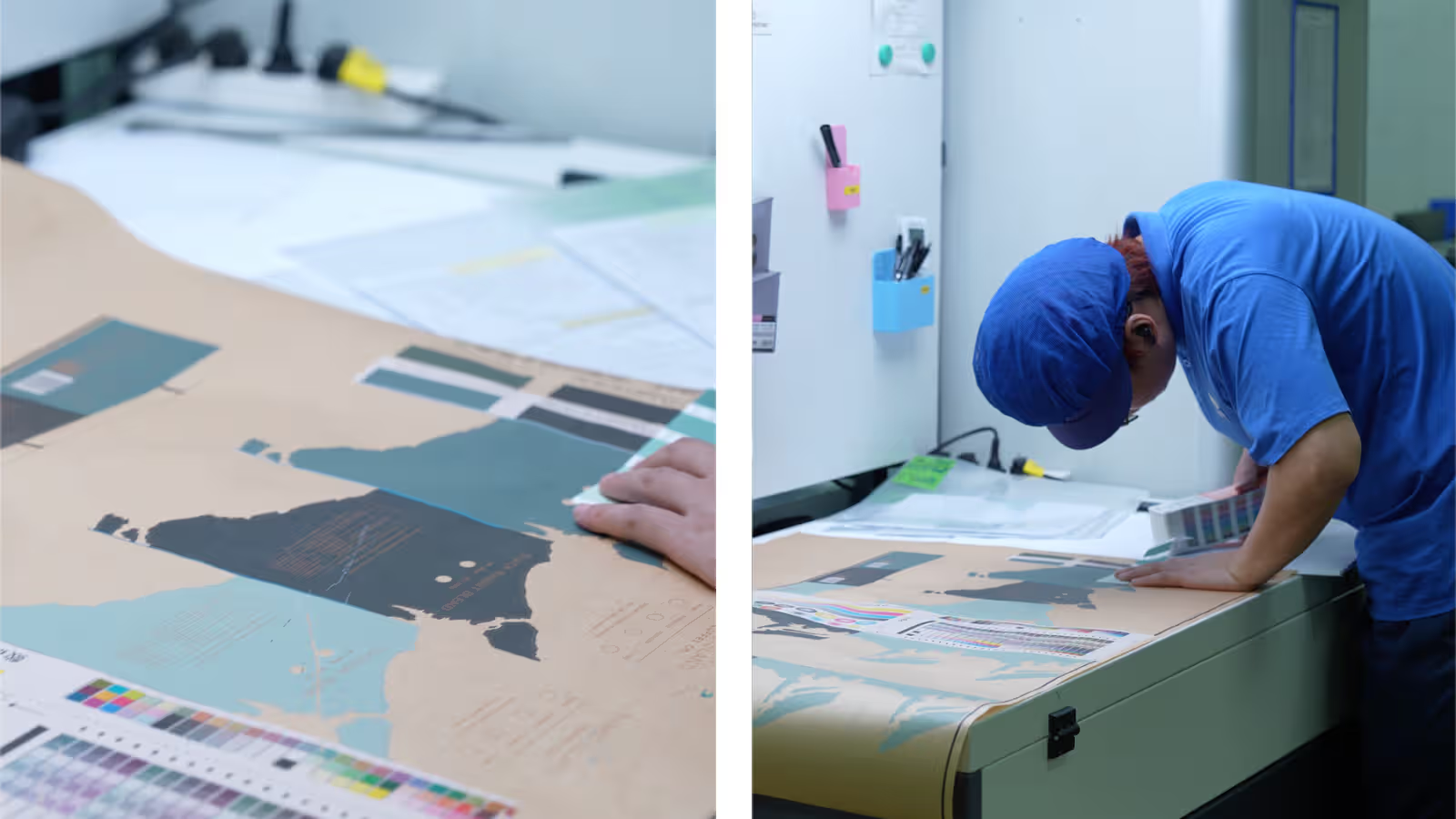
Ask how printing, lamination, sealing, and bag dimensions are inspected.
Colour accuracy can be evaluated using CIELAB and Delta E (ΔE) measurements. Seal strength, lamination bond strength, and dimensional tolerances require their own inspection standards.
At Holden Pak, factory quality control includes inspections of print alignment, colour accuracy, lamination strength, and seal integrity at two-hour intervals during active production.
Documented inspection procedures and traceable production records make quality claims easier to verify.
Minimum order quantity (MOQ) affects purchasing costs, inventory levels, and product flexibility.
This is especially important for specialty coffee brands with several origins, blends, or seasonal releases.
Digital printing often suits smaller production runs and multiple designs because it does not require conventional printing cylinders. Rotogravure can offer better unit economics at larger volumes, but it involves cylinder costs and higher minimum quantities.
Ask suppliers to compare quantities and costs per SKU, rather than looking only at the total order.
You can explore these differences in more detail in our coffee packaging printing and pricing guide.
Packaging finish affects more than appearance. It changes how customers experience the product in their hands.
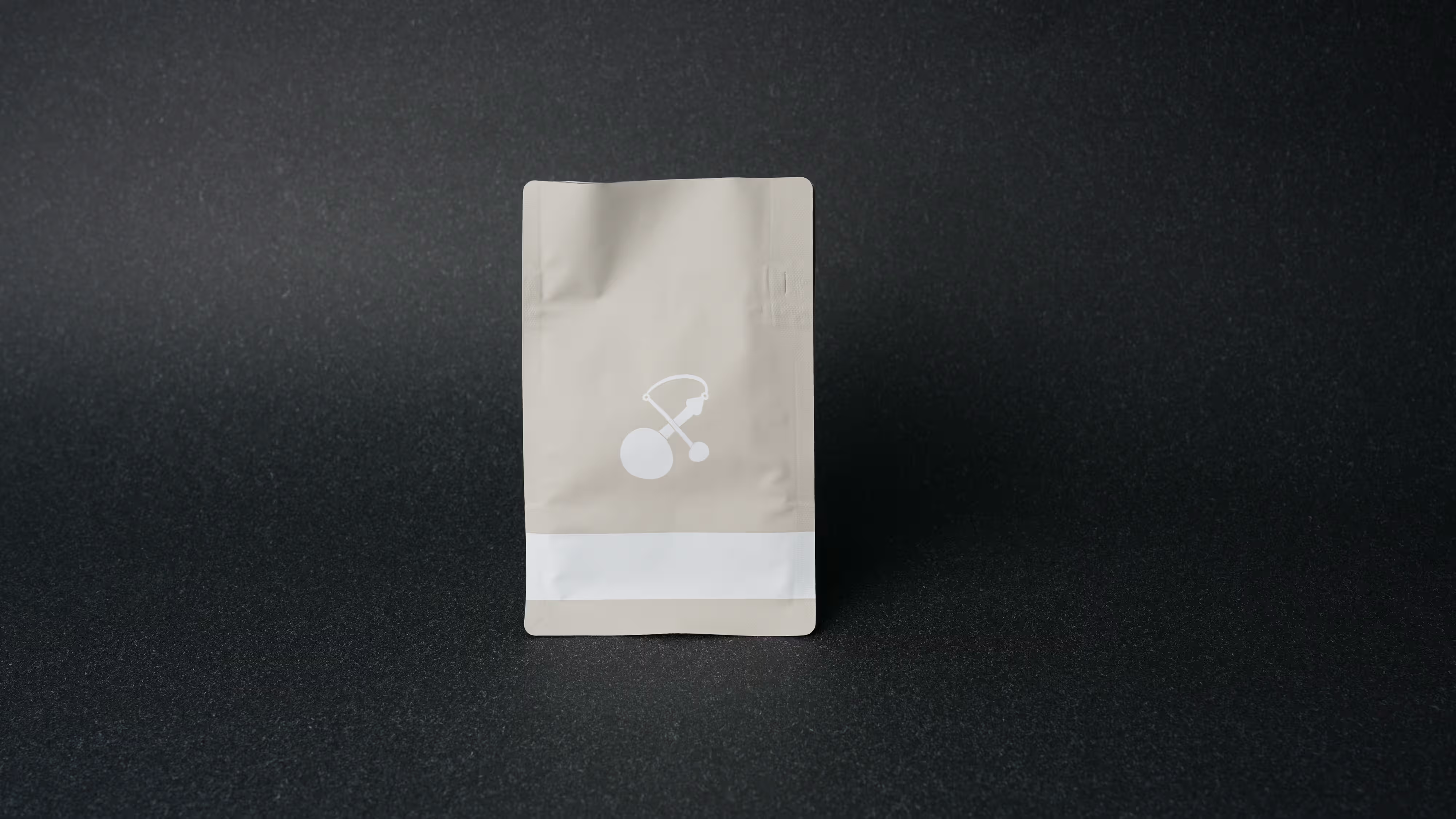
Rough matte, soft-touch, gloss, and metallic finishes can communicate very different brand qualities.
For example, a rough matte finish has a textured, grainy feel. Soft-touch offers a smoother, more velvety surface.
Neither is inherently better. The right choice depends on your brand identity, product positioning, and desired customer experience.
A good supplier should explain the available options and recommend finishes based on your brand, rather than simply following the initial specification.
You can compare these effects in our packaging finishes and features reference.
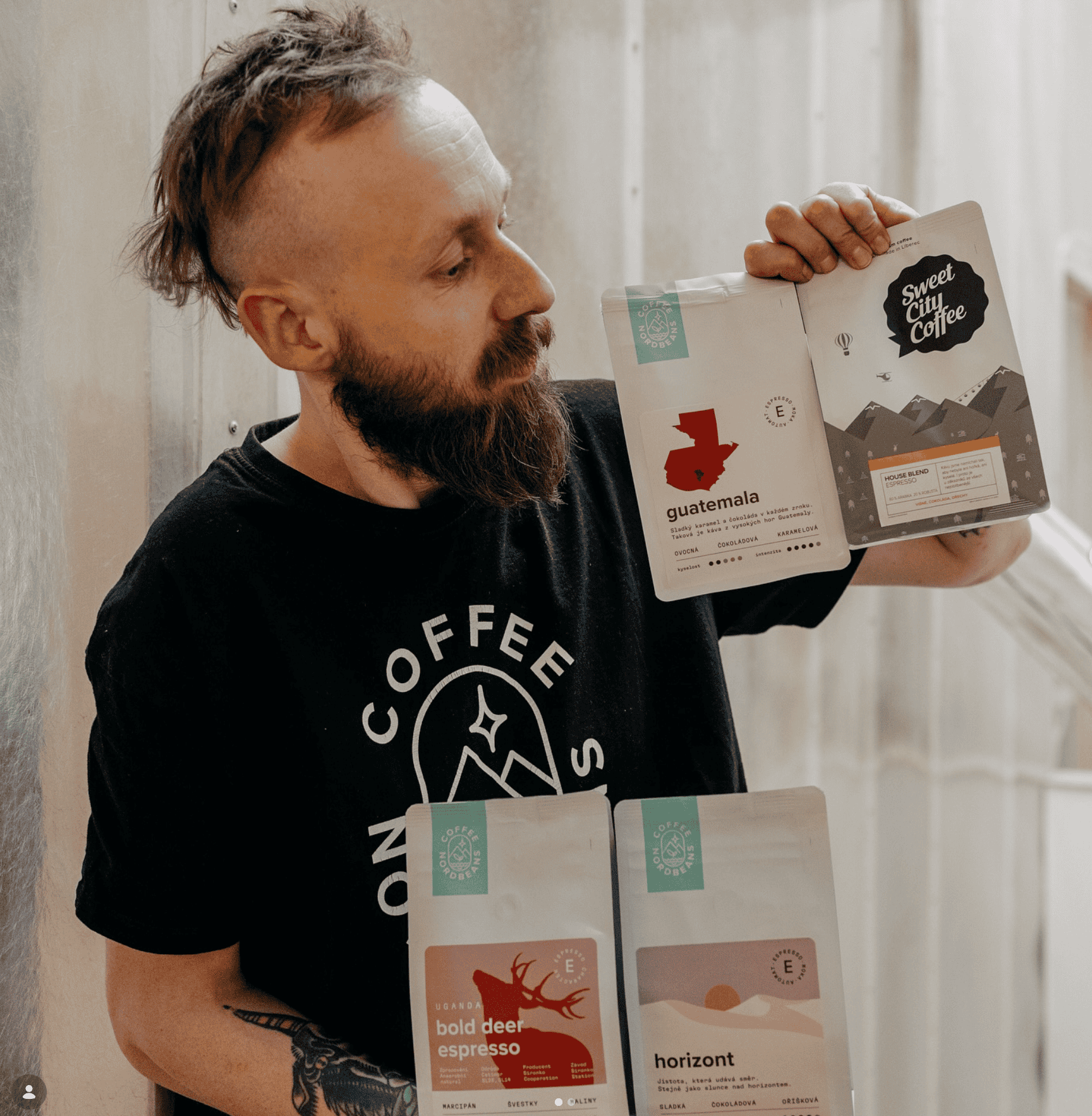
One coffee brand working with Holden Pak needed packaging for more than 10 SKUs, with approximately 3,000 bags per SKU.
The products included different coffee varieties, each with its own visual style and packaging size. Preserving those distinctions was important to the brand.
The customer initially considered a rough matte finish. After reviewing the desired brand identity, our team recommended a softer, smoother soft-touch finish as a better fit.
The printing method also required careful consideration.
At these quantities, rotogravure would have involved higher overall costs and a longer production timeline. Digital printing offered a more suitable approach for the number of designs and individual order volumes.
The final strategy combined:
This project illustrates an important purchasing principle: simplifying production should not automatically mean simplifying the brand’s product range.
The right approach considers packaging design, print economics, and logistics together.
The lowest unit price is not necessarily the lowest overall cost.
A more useful comparison considers Total Cost of Ownership (TCO), including production, tooling, freight, duties, inventory, and potential waste.
For a brand with multiple SKUs, ordering large quantities of every design may reduce unit costs while creating excess inventory.
A practical way to compare suppliers is to request quotations using the same specifications, quantities, and delivery terms.
Then evaluate the total financial commitment, including packaging that may remain unused if products or artwork change.
Production and shipping should be evaluated together.
Coffee packaging manufacturing may involve printing, lamination, curing, slitting, bag making, and inspection. Shipping adds another stage.
Before ordering, confirm when production time begins and whether sampling and artwork approval are included.
Also compare air and sea freight based on your actual needs:
In some situations, separating an initial shipment from later replenishment can be worth evaluating.
A clear packaging production and ordering process helps buyers plan launches and reduce supply interruptions.
Coffee packaging must meet the food-contact requirements applicable in its destination market.
For the United States, buyers should review relevant FDA food-contact material guidance.
In Europe, the Packaging and Packaging Waste Regulation (PPWR) began applying on August 12, 2026. It includes restrictions on PFAS in food-contact packaging, while other requirements follow different implementation timelines.
Ask for documentation covering the actual material structure, intended use, and destination market.
A general certificate may not apply to every packaging product.
Your packaging requirements may change as your business grows.
New products, artwork updates, and larger order volumes can all require adjustments to production.
Ask whether your supplier retains approved specifications, manages changes, and supports repeat orders consistently.
Sustainability claims should also be verified.
A mono-material film does not automatically make the complete coffee bag recyclable. Valves, zippers, inks, adhesives, and barrier layers can all affect recycling compatibility.
The CEFLEX circular packaging guidelines explain why the complete packaging structure matters.
A reliable supplier should help you evaluate these trade-offs using relevant technical evidence.
Before selecting a supplier, use this checklist to compare your options.
Start by verifying essential safety, performance, and compliance requirements. Then compare suppliers based on total costs, design flexibility, and delivery reliability.
Look for technical expertise, clear quality standards, suitable printing capabilities, transparent pricing, and reliable production schedules. Ask for samples and product-specific test reports before making a final decision.
Digital printing can be a good choice when a brand needs several designs in smaller quantities. It avoids conventional printing-cylinder costs and offers flexibility. Rotogravure may become more economical for larger, stable production runs.
Compare quotations using the same material specifications, bag sizes, print requirements, order quantities, and delivery terms. Include tooling, freight, inventory, and potential waste to understand the total cost.
The right coffee packaging supplier should help you make better decisions about your product, not simply manufacture the first specification you provide.
Technical performance, design suitability, production economics, and delivery planning all deserve attention.
A successful partnership brings these elements together, supporting both the coffee inside the bag and the brand behind it.
For help evaluating your next packaging project, contact our packaging team to discuss materials, printing, finishing, samples, and production requirements.
We’ll reply within one business day to confirm the details and help with your quote.