
Independent insights on packaging materials, printing, sustainable packaging and design
Ordering custom packaging involves more than choosing a bag and sending over a design. Materials, dimensions, printing methods and delivery schedules all need to be considered, especially when the packaging is being made specifically for your product.
To give you a better idea of what to expect, we'll use an example project for a consumer brand called Morrow Goods. The brand and project details are illustrative, while the process reflects how custom packaging orders are typically handled at Holden Pak.
Morrow Goods is preparing packaging for a new product range. The team has a design in mind and wants a resealable pouch with a matte finish, but hasn't decided on the exact dimensions or material structure. They reach out through Holden Pak's Contact Us page to request an initial quote and explore their options.
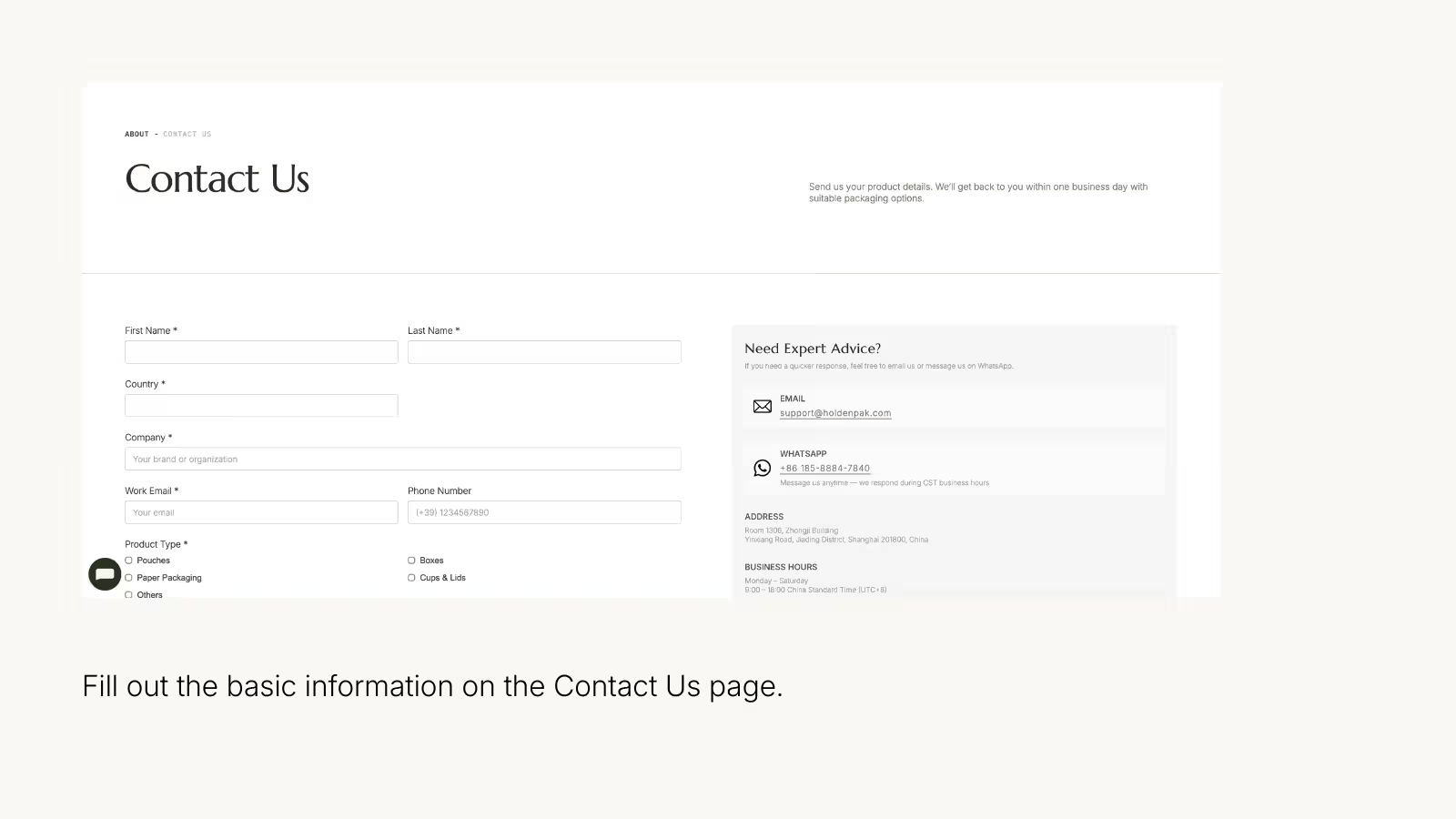
They contact Holden Pak with their initial requirements:
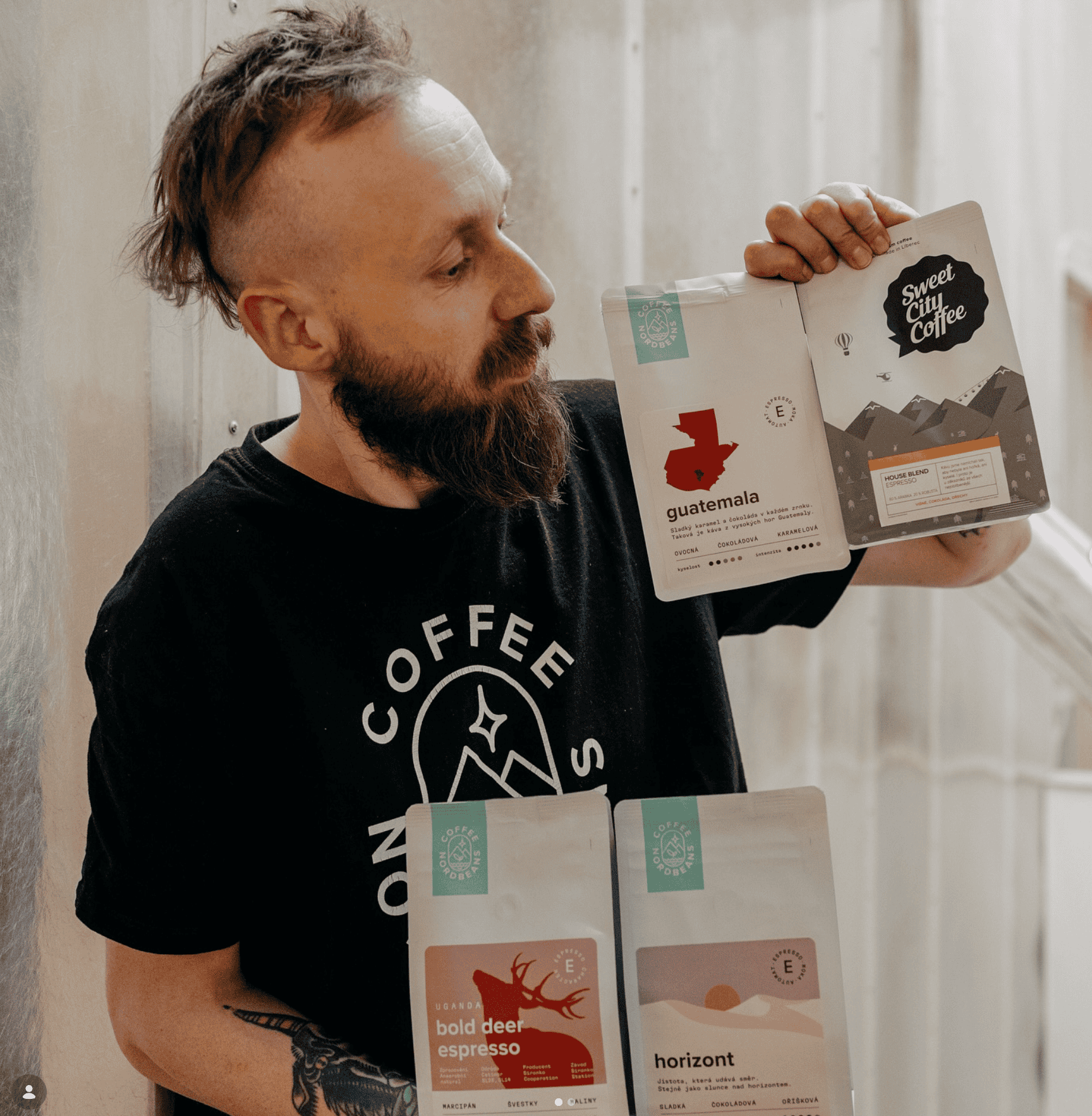
Product: 250g whole-bean coffeePackaging: Flat-bottom pouch with zipper and valveQuantity: 12,000 bags for one designArtwork: Existing brand designDelivery: International shippingTheir first email gives us a general idea of what they need. A Holden Pak packaging specialist follows up to learn more about the product, order quantity, preferred features and expected delivery date. These details help us recommend suitable materials and printing options, along with an initial quotation.
Sometimes a customer already knows exactly what they want. In other cases, it takes a little discussion to find the right solution. Either way, the aim is to agree on practical specifications before committing to production. Our team typically responds to an initial inquiry within one business day.
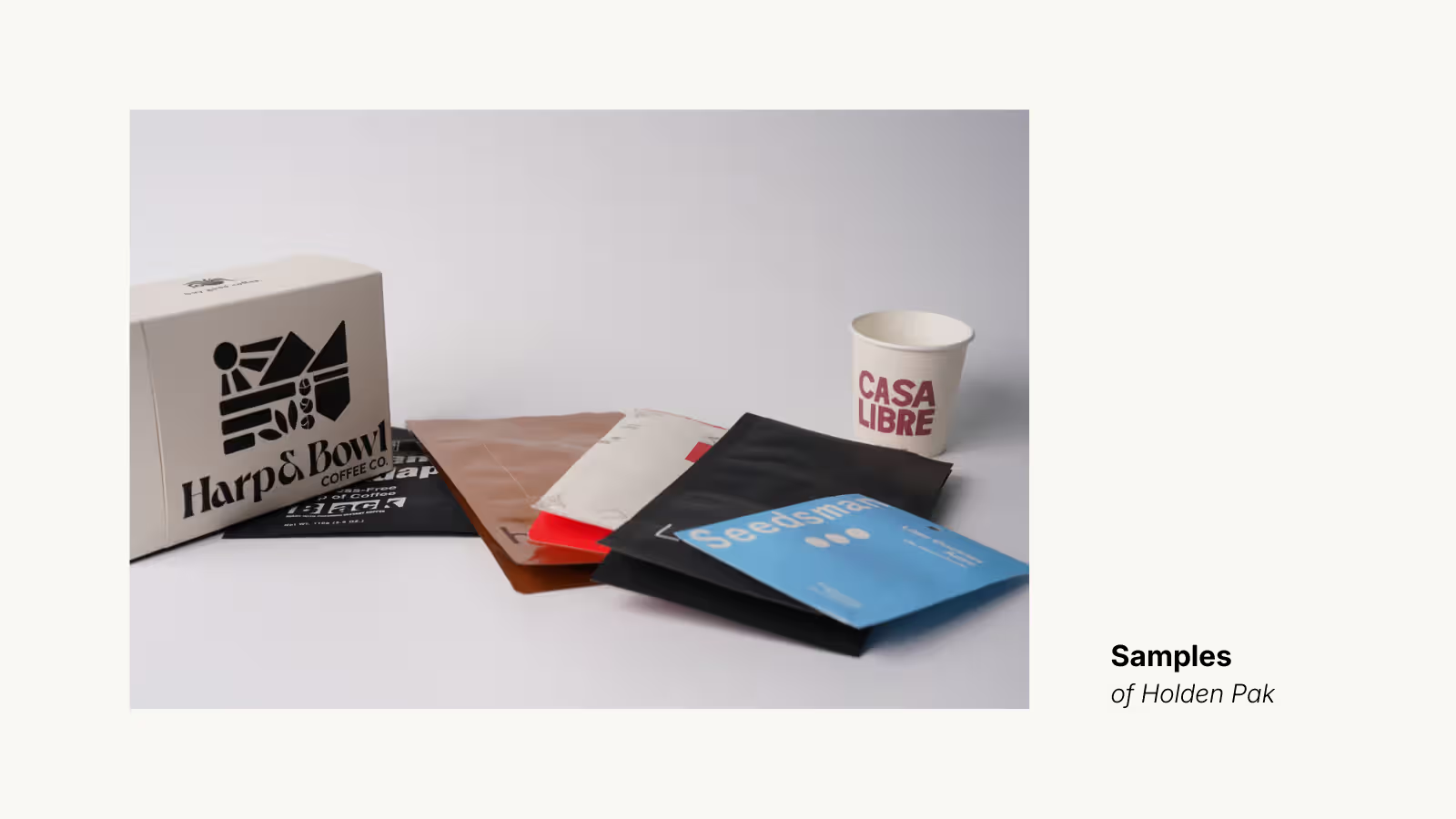
Before placing the order, Morrow Goods wants to see how the packaging will look and feel. We arrange samples of previously produced bags so the team can compare materials, finishes and features such as zippers. If a customer needs to see their own design printed on a particular material, custom sampling can also be arranged at an additional cost.
Once the specifications are settled, we provide a dieline for the chosen packaging format. The designer prepares the artwork using this template and sends it back for review.
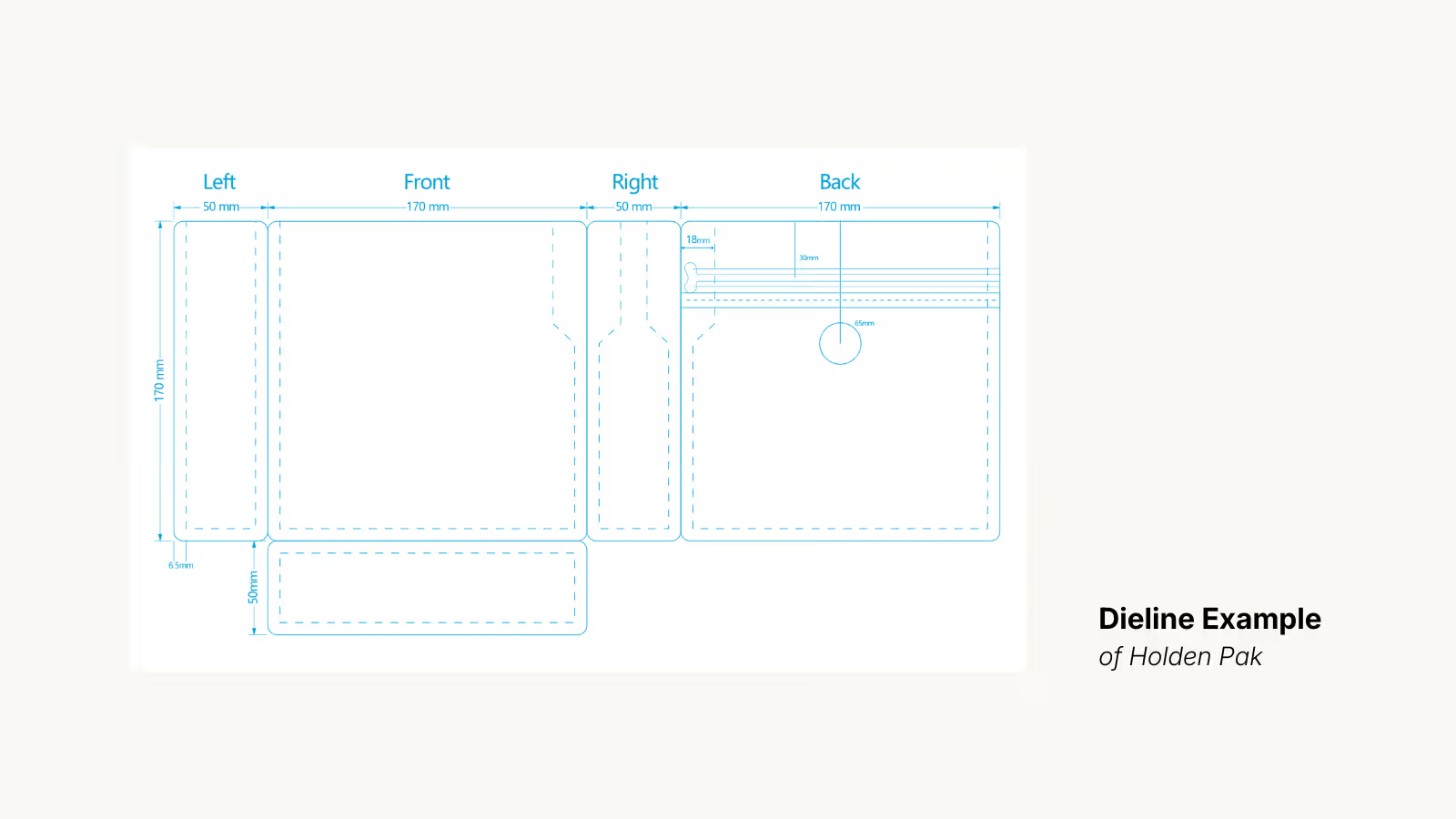
This is where small details can make a difference. A barcode might sit too close to a sealing area, or an important part of the design might need more space around a fold. We check the artwork for these issues, along with bleed, colours, text and other printing requirements, and explain any changes that may be needed.
When the file is ready, we send a digital proof and a detailed order estimate. Morrow Goods reviews the final artwork and specifications, giving everyone a clear reference before production begins.
Once the details have been approved, we issue a Proforma Invoice (PI) outlining the order, costs and payment terms. After receiving the agreed deposit, we coordinate with the factory and schedule production.
Custom packaging usually takes several weeks to manufacture, largely because each order has its own combination of materials, printing and finishing requirements.
The factory needs to prepare the materials and set up the printing process. Rotogravure printing also requires custom printing cylinders. For multilayer flexible packaging, the printed film is laminated and allowed to cure so the layers bond properly before the material is cut and made into bags. Quality checks are carried out at the relevant stages of production.
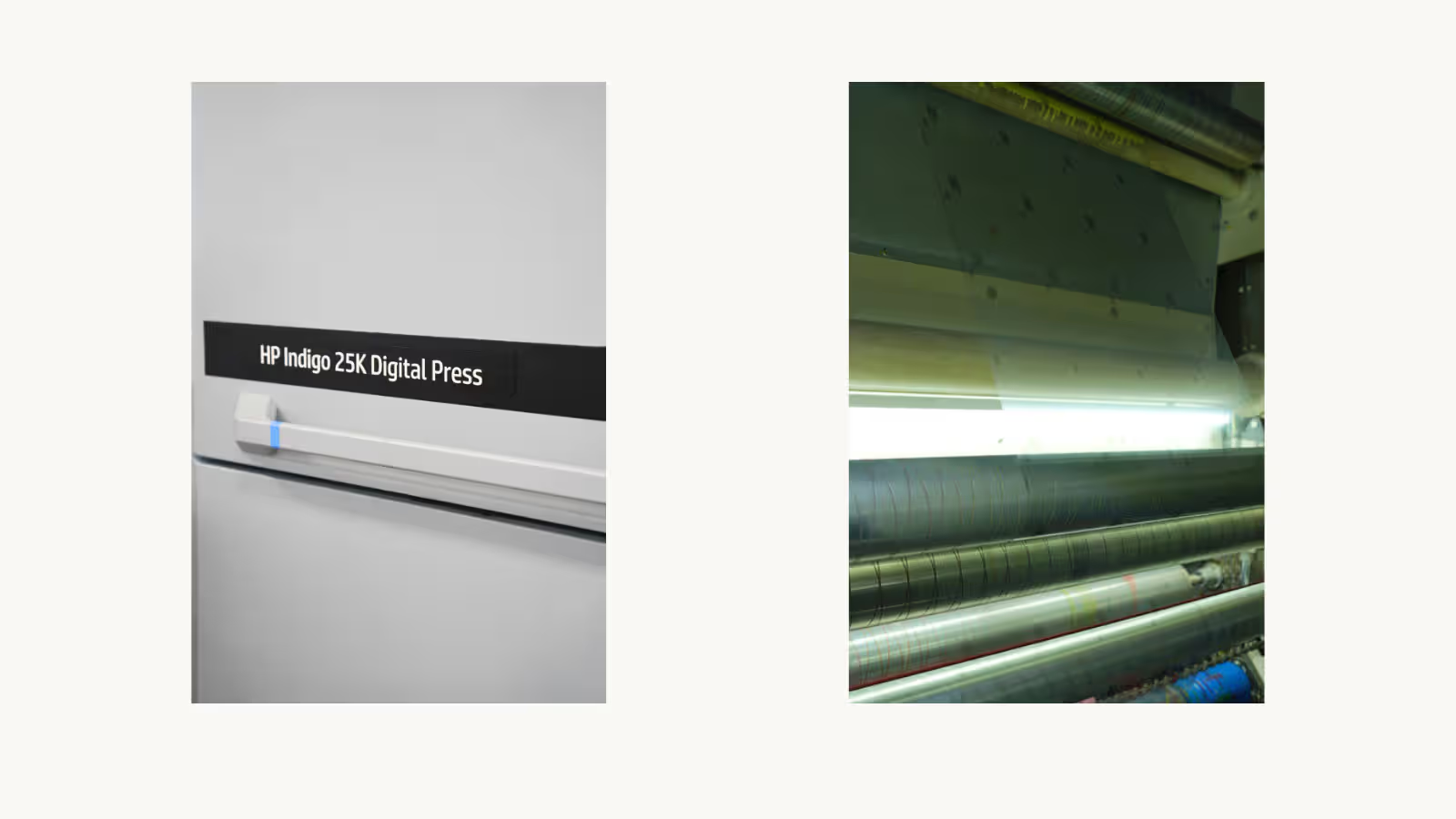
These steps take time, even when the actual printing is relatively quick. At Holden Pak, digital printing typically has a production lead time of 5–6 weeks, while rotogravure printing generally takes 6–7 weeks after final proof approval and the necessary order arrangements.
During production, the packaging specialist coordinates with the factory, follows the schedule and shares important updates with the customer.
As the packaging nears completion, we confirm the shipping details and discuss the available delivery options.
For international orders, sea freight is often the more economical choice, particularly for larger quantities. Air freight can be a better option when the delivery schedule is tighter. Transit times vary by destination, but air freight generally takes around 1–2 weeks, while sea freight can take approximately 3–9 weeks.
Once production is complete and the remaining balance has been paid, we arrange shipment and provide the relevant logistics information. Morrow Goods can then prepare for the packaging to arrive and plan its next product run.
A packaging order involves quite a few decisions, and questions can come up at any stage. Having one person familiar with the project makes communication easier, particularly when artwork, production and shipping need to be coordinated.
At Holden Pak, each customer works with a dedicated packaging specialist who keeps track of the details, answers questions and helps resolve issues along the way. We also review practical details that customers may have overlooked, helping to avoid unnecessary revisions, costs or delays.
Every order is a little different. Some customers come with production-ready artwork, while others need more guidance on materials, packaging formats or printing. The process can be adjusted accordingly, with clear approvals and regular communication helping everyone stay on the same page.
You can learn more about our standard ordering process in How We Work.
If you're planning a new packaging project, get in touch with Holden Pak and tell us what you have in mind. We'll help you work out the details and prepare a suitable solution.
We’ll reply within one business day to confirm the details and help with your quote.