
Independent insights on packaging materials, printing, sustainable packaging and design

INDUSTRY WHITE PAPER | 2026
Published by Holden Pak
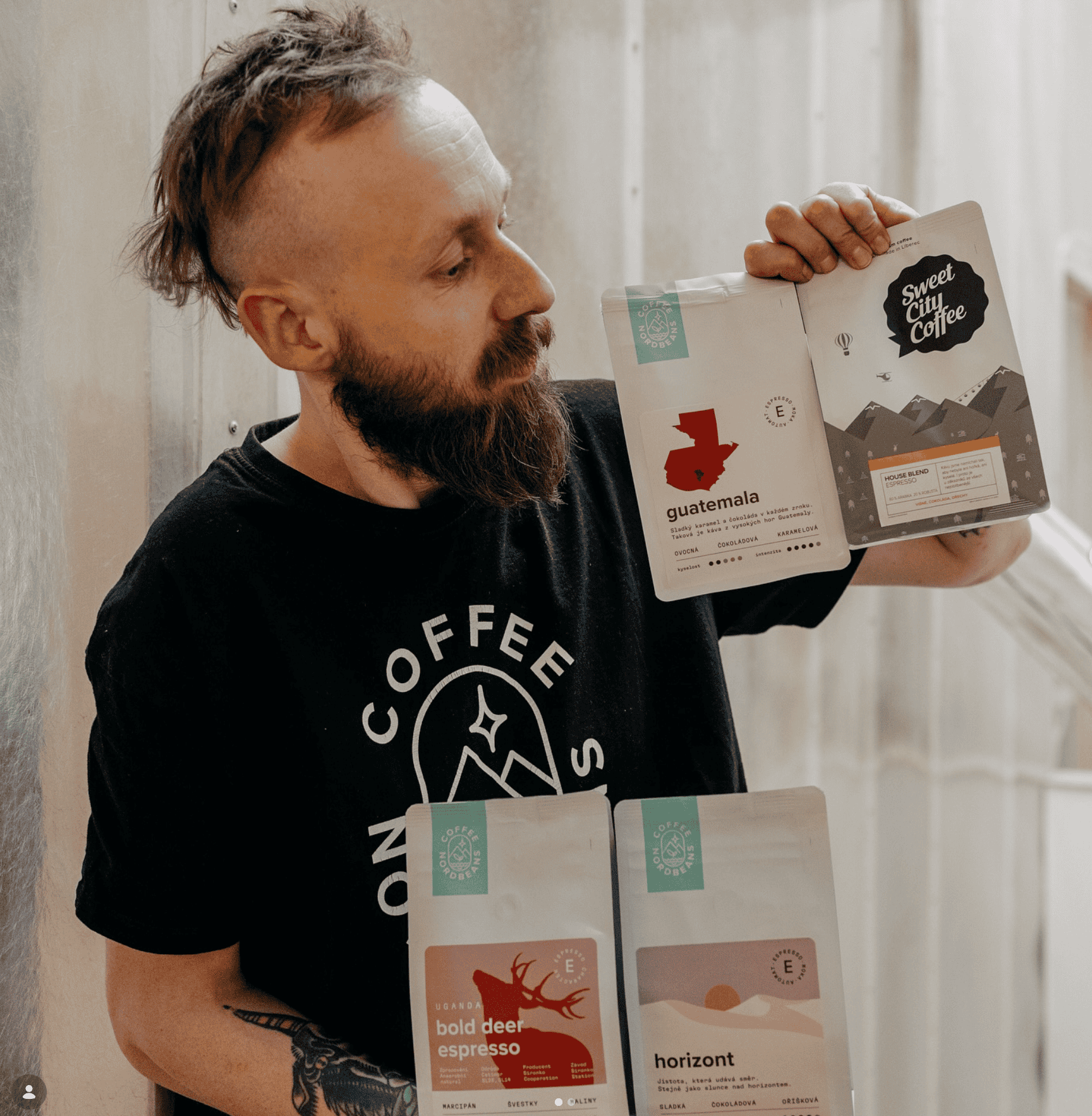
In specialty coffee, consumers often form their first impressions of a product before they have an opportunity to taste it. Packaging plays an important role in this process, as its visual design, materials and structural format provide information that consumers use to evaluate product quality, flavour characteristics and brand positioning.
Recent research provides evidence of these relationships. A 2025 study published in Food Research International, involving 238 specialty coffee consumers, found that packaging colours influence expected flavour characteristics and brand associations. Another study published in the British Food Journal, involving 740 participants, identified relationships between sustainability-related packaging cues and perceived coffee quality.
These findings suggest that packaging contributes to how consumers understand product value and interpret price positioning. For coffee brands, the challenge is to develop packaging that communicates product characteristics effectively while meeting practical requirements for protection, production and distribution.
This report examines the influence of visual identity, material selection and structural formats on consumer expectations, drawing on published research and packaging industry practices to identify relevant considerations for specialty coffee brands.
Colour is among the first packaging elements consumers notice, and research suggests that it can shape expectations about a coffee's sensory characteristics.
Carvalho et al. (2025) examined the effects of 16 packaging colours on 238 specialty coffee consumers, evaluating their expectations of flavour, aroma, acidity, sweetness, bitterness and other product attributes.
The study identified several associations between packaging colour and expected product characteristics.
Packaging colourConsumer associationsPinkSweetness, floral and berry notesYellowAcidity and citrusBrownBitterness, cocoa and darker roastsBlackHigher bitterness and roast intensityGreenOrganic positioningLight blueSophistication
These findings indicate that colour can help communicate a coffee's intended sensory identity. For example, a light-roasted coffee with prominent citrus notes may benefit from a different visual approach than a full-bodied blend characterised by chocolate and roasted-nut flavours.
However, consumer associations vary according to market, audience and brand context, making it important for brands to evaluate colour within their overall positioning.
Premium packaging is frequently associated with black surfaces, metallic details, minimalist typography and restrained colour palettes. While these conventions are established across many consumer categories, their interpretation within specialty coffee can be different.
The Carvalho et al. study found that black packaging was associated with a more commercial positioning among specialty coffee participants, whereas pink and yellow were linked to modernity and light blue to sophistication.
This suggests that premium perception depends on the expectations and preferences of a particular consumer group. Specialty coffee brands may communicate quality through distinctive colours, contemporary typography, transparent product information and a recognisable visual identity.
Specialty coffee packaging frequently includes detailed information about origin, variety, processing method, roast date and tasting notes. The way this information is organised influences how easily consumers can understand and compare products.
An origin-focused roaster may prioritise traceability and processing details, while a lifestyle-oriented brand may place greater emphasis on product naming and visual recognition. Both approaches can be effective when the information hierarchy supports the brand's intended positioning and purchasing environment.
For brands developing a packaging system, visual differentiation and information accessibility should be considered together, particularly when managing multiple origins, blends or seasonal releases.
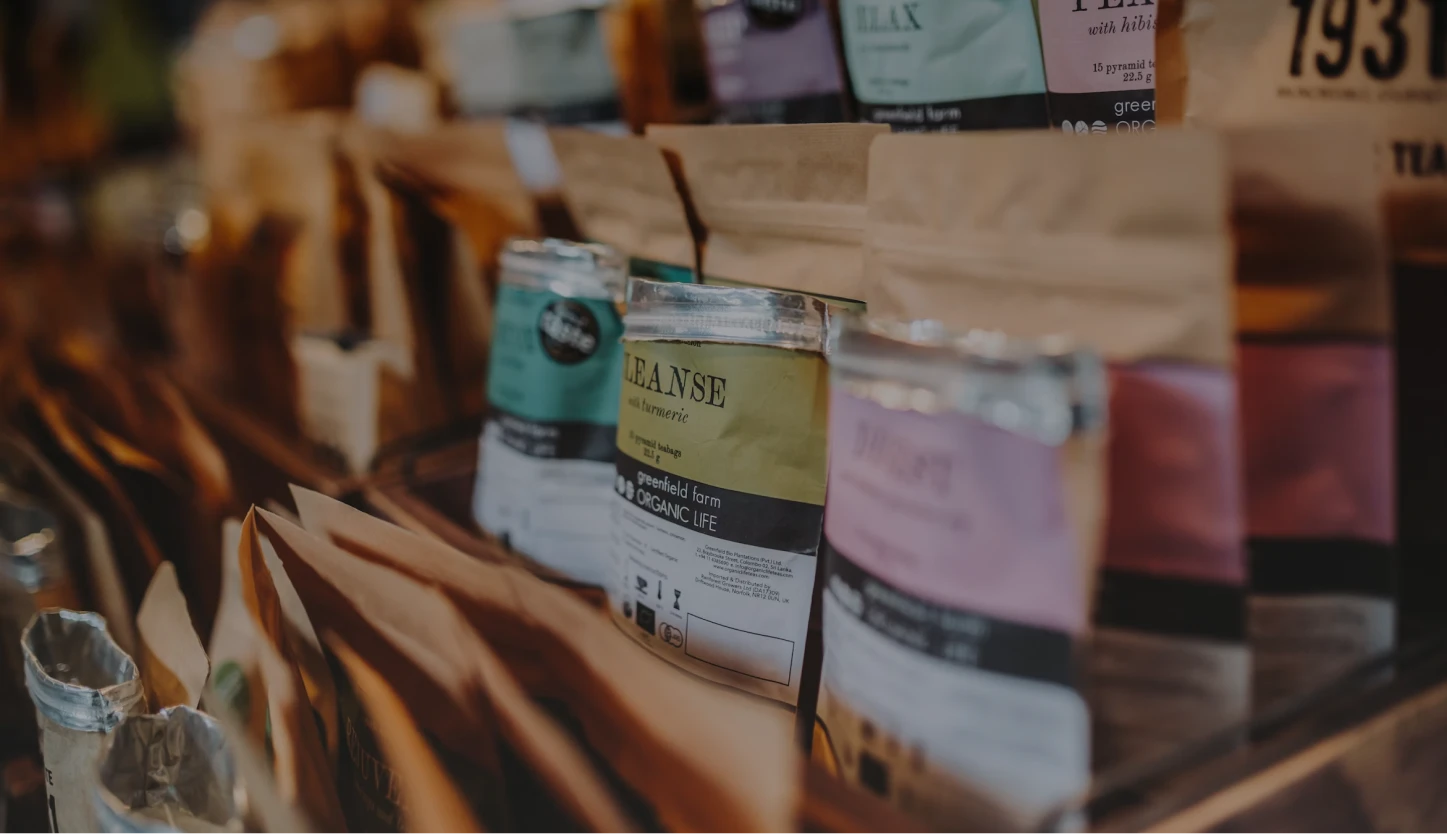
Packaging materials contribute to consumer perception through their appearance, texture and physical characteristics. A matte surface may support a restrained visual identity, while gloss, metallic effects or soft-touch finishes can create different impressions of the product.
These characteristics provide brands with opportunities to translate their visual identity into a physical experience. However, material selection also needs to account for the technical requirements of coffee packaging, including oxygen and moisture protection, aroma retention and compatibility with filling and distribution processes.
A suitable packaging material should therefore support the intended brand presentation while providing appropriate protection throughout the product's shelf life.
Research published in the British Food Journal in 2025 examined how packaging materials and sustainability information influence perceptions of coffee quality.
Ramos and Watanabe conducted an online experiment involving 740 participants in Brazil, comparing kraft-paper and plastic packaging alongside sustainability labels and product positioning.
The study found that explicit sustainability cues positively influenced perceived coffee quality. Kraft-paper packaging also showed a positive effect among participants with higher coffee consumption, suggesting that material-related associations may vary between consumer groups.
For specialty coffee brands, these findings demonstrate the relevance of sustainability communication to product positioning. However, environmental claims should be supported by the actual packaging specification, as visual characteristics alone cannot establish recyclability or environmental performance.
Paper-like packaging may contain additional functional layers, while recyclable mono-material and recycled-content structures involve different technical considerations. Material selection should therefore reflect product protection requirements, applicable regulations and the recycling infrastructure of the destination market.
Holden Pak provides information about available finishes and material options through its Craft References and Green Materials resources.
Packaging structure influences how a coffee product is presented, handled, stored and consumed. Different formats offer distinct combinations of printable surface area, shelf stability, filling compatibility and convenience, making structural selection both a technical and commercial decision.
Common formats used in specialty coffee packaging include stand-up pouches, flat-bottom pouches, side-gusset bags and quad-seal bags.
FormatKey characteristicsCommercial considerationsStand-up pouchFlexible structure with a bottom gussetCompact presentation and versatile sizingFlat-bottom pouchStable base and multiple printable panelsBroad design area and stable shelf presentationSide-gusset bagExpandable sides and conventional bag profileLarger quantities and filling efficiencyQuad-seal bagFour reinforced vertical corner sealsDefined shape and greater structural rigidity
Flat-bottom pouches provide multiple surfaces for brand graphics and product information, while stand-up pouches offer flexibility across different sizes and retail applications. Side-gusset and quad-seal formats may be appropriate for products requiring larger capacities or specific filling and handling characteristics.
Structural design also affects the experience after purchase. Features such as resealable zippers, degassing valves and opening mechanisms influence product accessibility, storage convenience and compatibility with the coffee's requirements.
Although packaging structure may contribute to consumer perceptions of quality, published experimental evidence directly comparing the price-perception effects of these formats remains limited. Brands should therefore consider product positioning, functional performance and commercial requirements when selecting a format.
Holden Pak's packaging product range includes different pouch structures for coffee and other consumer products.
Packaging influences how consumers interpret product value, although perceived quality, expected price and willingness to pay represent different aspects of the purchasing decision.
A visually sophisticated package may lead consumers to expect a higher retail price without necessarily increasing their willingness to purchase the product. Similarly, a relatively simple package may communicate substantial value when supported by strong brand recognition and credible product information.
For specialty coffee brands, the commercial value of packaging depends on how effectively its different characteristics work together.
DimensionKey considerationSensory consistencyWhether the design reflects the coffee's flavour and characterBrand differentiationWhether the product is recognisable among competing brandsFunctional credibilityWhether the packaging supports product protection and convenient useInformation clarityWhether product details and material claims are clearly communicated
These dimensions provide a practical framework for evaluating packaging concepts during product development.
For example, a coffee described as light-roasted and floral may benefit from visual characteristics that reinforce those expectations. When graphic design, product information and physical presentation communicate consistent messages, consumers may find the product easier to understand and evaluate.
For brands considering substantial packaging investments, physical prototypes and consumer feedback can provide useful information about perceived quality, expected price and purchase preference.
Specialty coffee brands differ considerably in their product positioning, target audiences and distribution channels. These differences influence the role that packaging plays within their commercial strategies.
Brands that emphasise provenance, processing methods and sensory characteristics often require packaging with a clear and consistent information hierarchy. Details such as farm, variety, processing method and tasting notes may play an important role in helping consumers compare products.
For roasters managing multiple origins or seasonal releases, a structured packaging system can maintain brand consistency while allowing individual coffees to remain distinguishable.
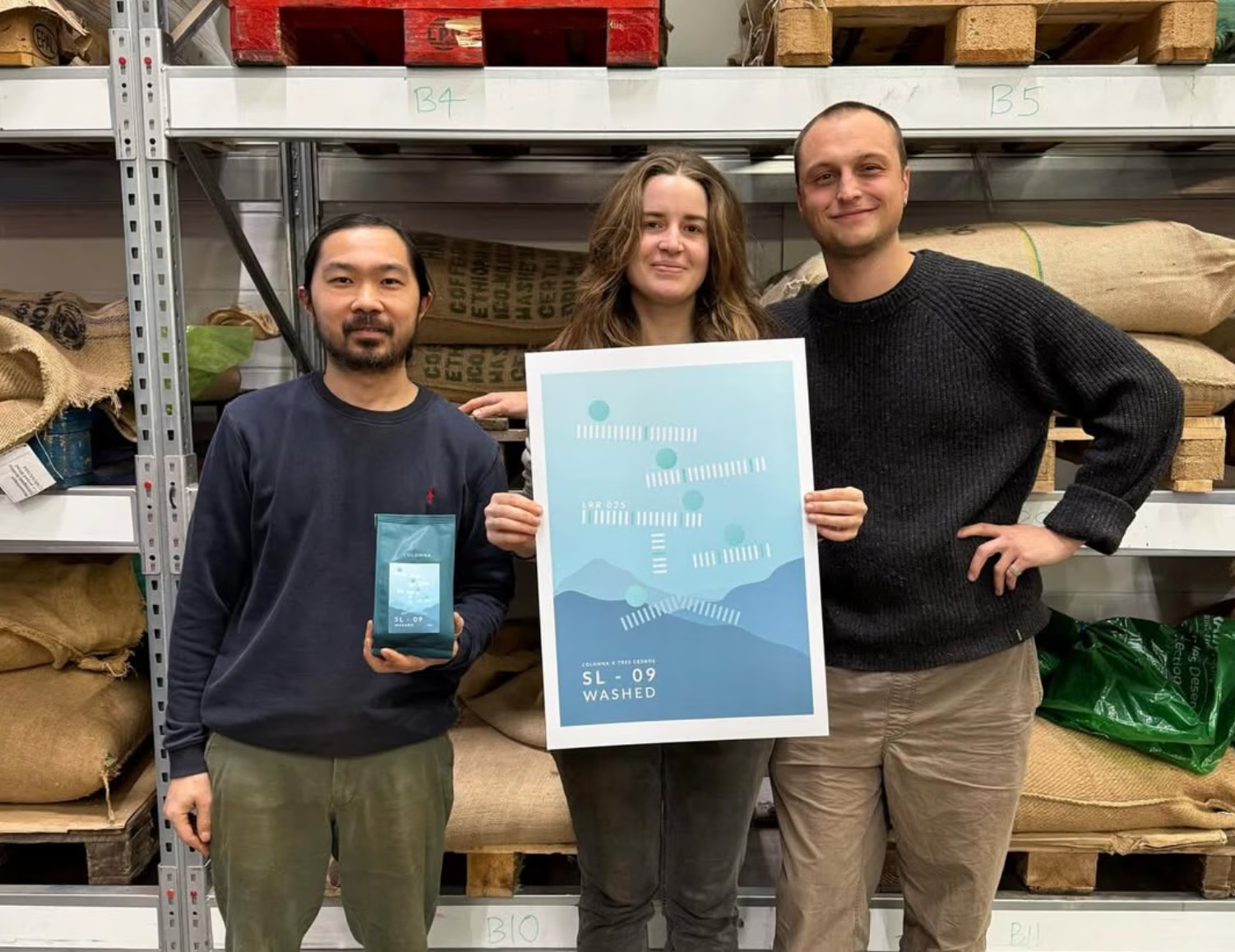
For brands with a strong creative identity, packaging provides an opportunity to establish recognition through colour, typography, illustration and graphic composition.
A distinctive visual system can support product differentiation across retail displays, e-commerce platforms and brand communications. Brands introducing frequent seasonal products may also benefit from printing processes that accommodate regular design updates.
Brands prioritising environmental responsibility may incorporate recycled-content materials, recyclable mono-material structures or responsibly sourced paper into their packaging strategies.
These choices involve different technical, environmental and commercial considerations, making coordination between material sourcing, design and production particularly important.
Clear information about material composition and relevant sustainability claims can help consumers understand the packaging and its intended environmental benefits.
Across these different positioning strategies, successful packaging development requires alignment between the brand's identity, product requirements and manufacturing capabilities.
The research and industry practices discussed in this report highlight several priorities for brands developing or updating their packaging.
Brand positioning should guide packaging decisions. Colour, typography, materials and structural format should reflect the characteristics that a brand wants consumers to associate with its products, including flavour identity, traceability, innovation or environmental responsibility.
Packaging should be evaluated as a complete system. Visual design influences initial impressions, while materials, structure and functionality contribute to product protection and the experience after purchase. Considering these elements together can help brands develop a more consistent product presentation.
Technical performance should be assessed during design development. Material specifications, barrier properties, filling requirements and distribution conditions can affect the feasibility of a packaging concept. Early evaluation helps identify appropriate structures and production methods.
Physical sampling can support more informed decisions. Reviewing packaging prototypes under realistic lighting, handling and retail conditions allows brands to assess visual presentation, usability and information clarity before committing to production.
Sustainability communication should remain accurate and specific. Material claims should reflect actual packaging specifications, relevant standards and destination-market requirements.
These considerations can help brands balance creative differentiation with functional requirements and commercial objectives.
Packaging plays an important role in how consumers evaluate specialty coffee before purchase. Research demonstrates that packaging colour can influence expected sensory characteristics, while sustainability-related cues can affect perceptions of product quality.
Visual identity, materials and structural formats also provide opportunities for brand differentiation and product communication. Their effectiveness depends on the relationship between consumer expectations, product characteristics and the practical requirements of packaging.
For specialty coffee brands, packaging development should focus on communicating a clear and credible product identity while maintaining appropriate protection, functionality and production feasibility.
A well-developed packaging system can strengthen how consumers recognise, understand and evaluate the value of the coffee inside.
Holden Pak is a custom packaging manufacturer serving specialty coffee brands and businesses across international markets. Our capabilities include flexible packaging structures, material options, printing processes and finishing techniques developed for different product and brand requirements.
Through packaging development and manufacturing, we help brands translate creative concepts into functional, production-ready packaging solutions.
Explore Holden Pak to learn more about custom coffee packaging, materials and production options.
Research note: This report synthesises published research and packaging industry practices. It does not present original consumer experiments conducted by Holden Pak. Comparisons of packaging structures and materials should be interpreted as industry analysis rather than independently validated claims of price premiums or sales increases.
We’ll reply within one business day to confirm the details and help with your quote.