
Independent insights on packaging materials, printing, sustainable packaging and design
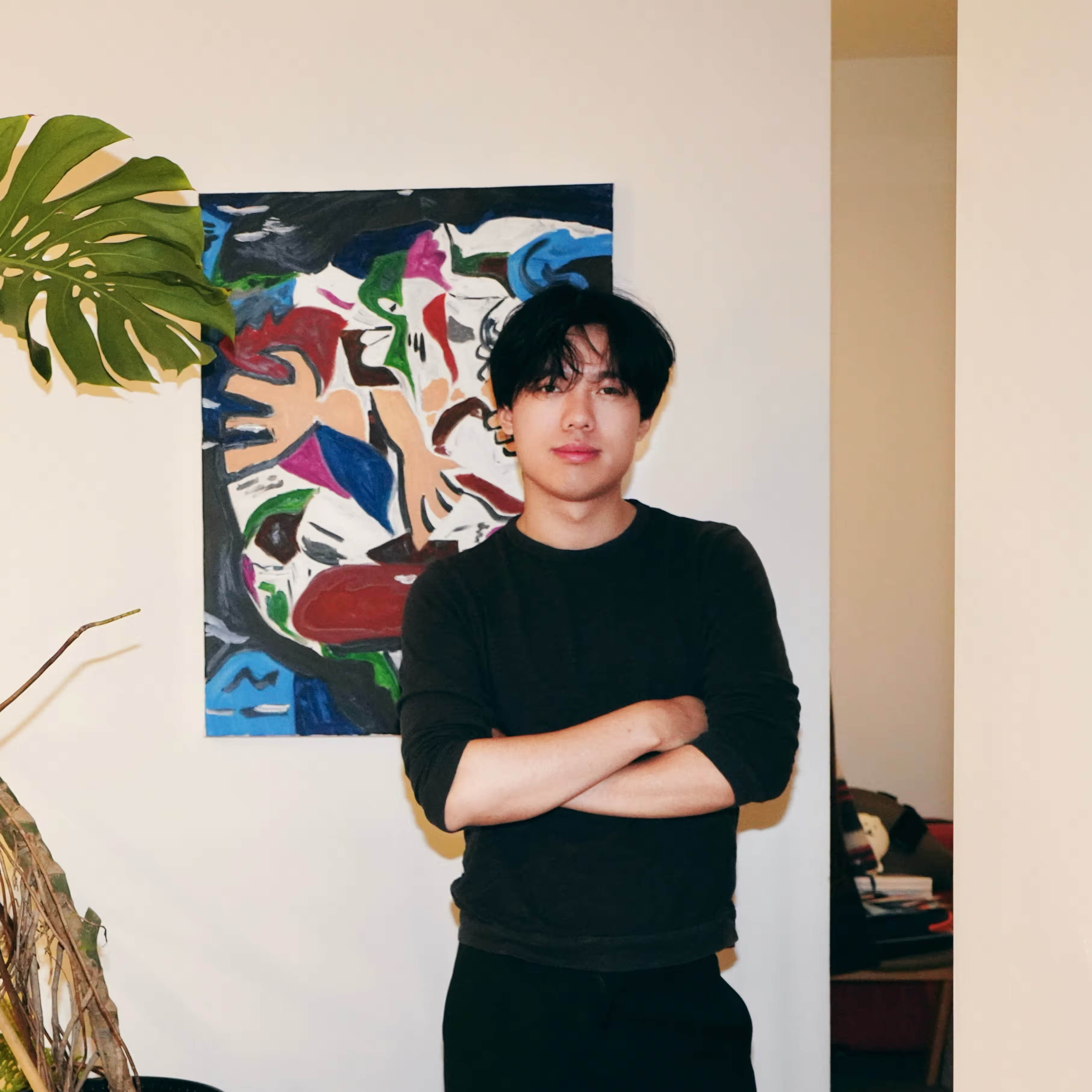
At EIEO’s roastery in Shanghai, we spoke with Caffrey Wang about coffee, creative work, and the importance of understanding the person on the other side of the cup.
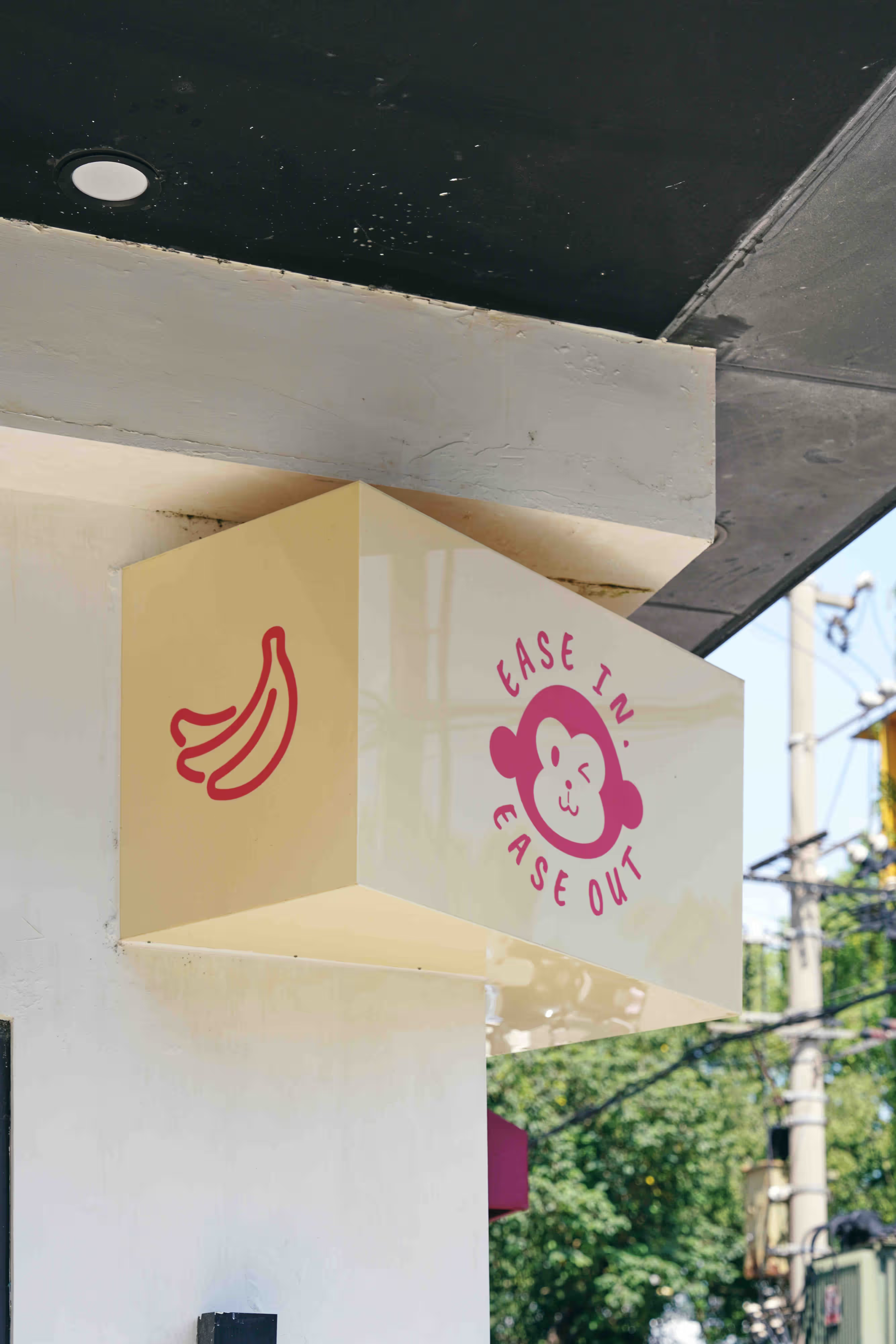
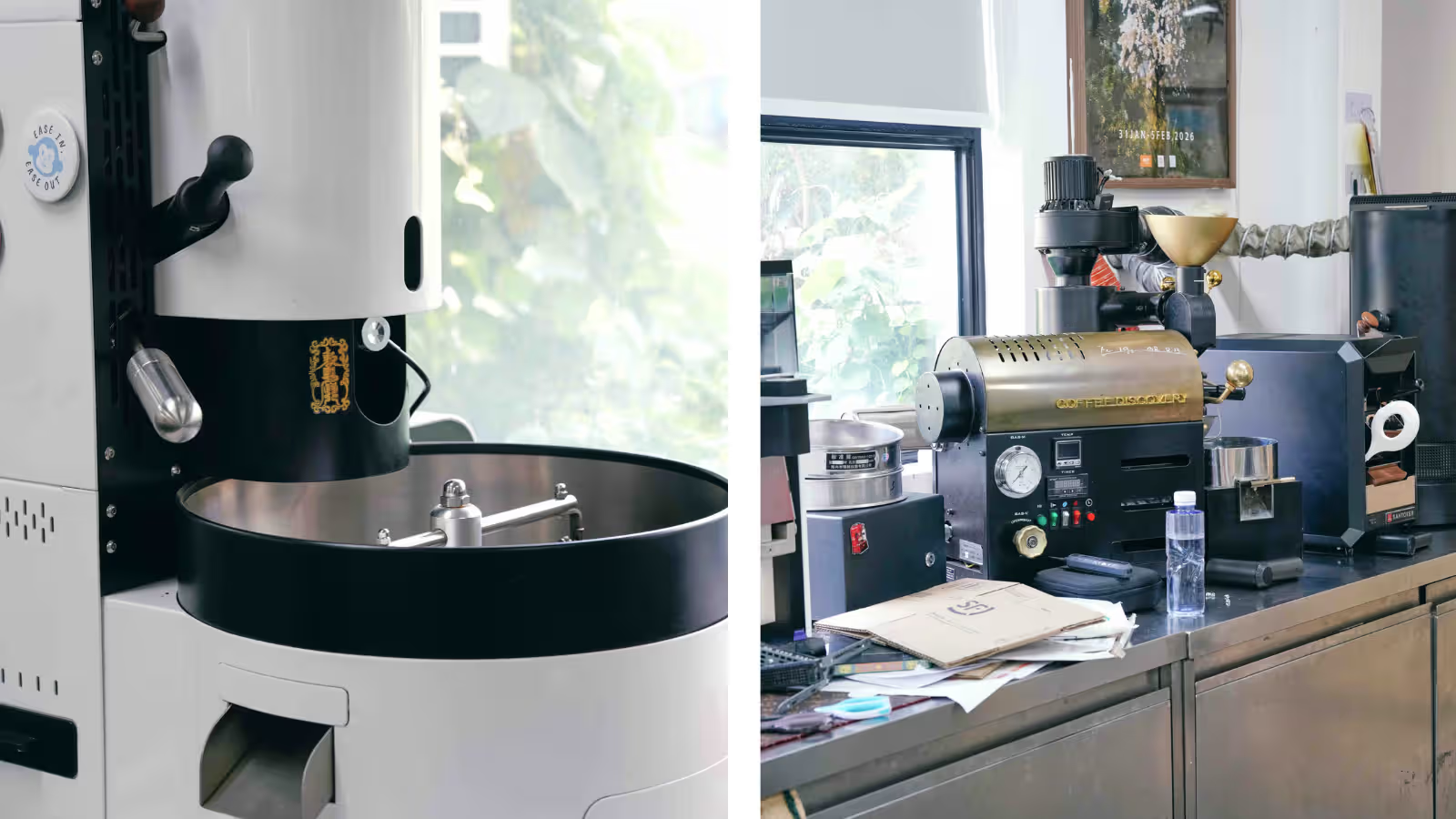
In September 2026, Caffrey showed us around the roastery and talked us through some of the thinking behind his work. Our conversation moved easily between coffee origins, roast profiles, water chemistry, packaging materials, and the everyday experiences of the people who drink coffee.
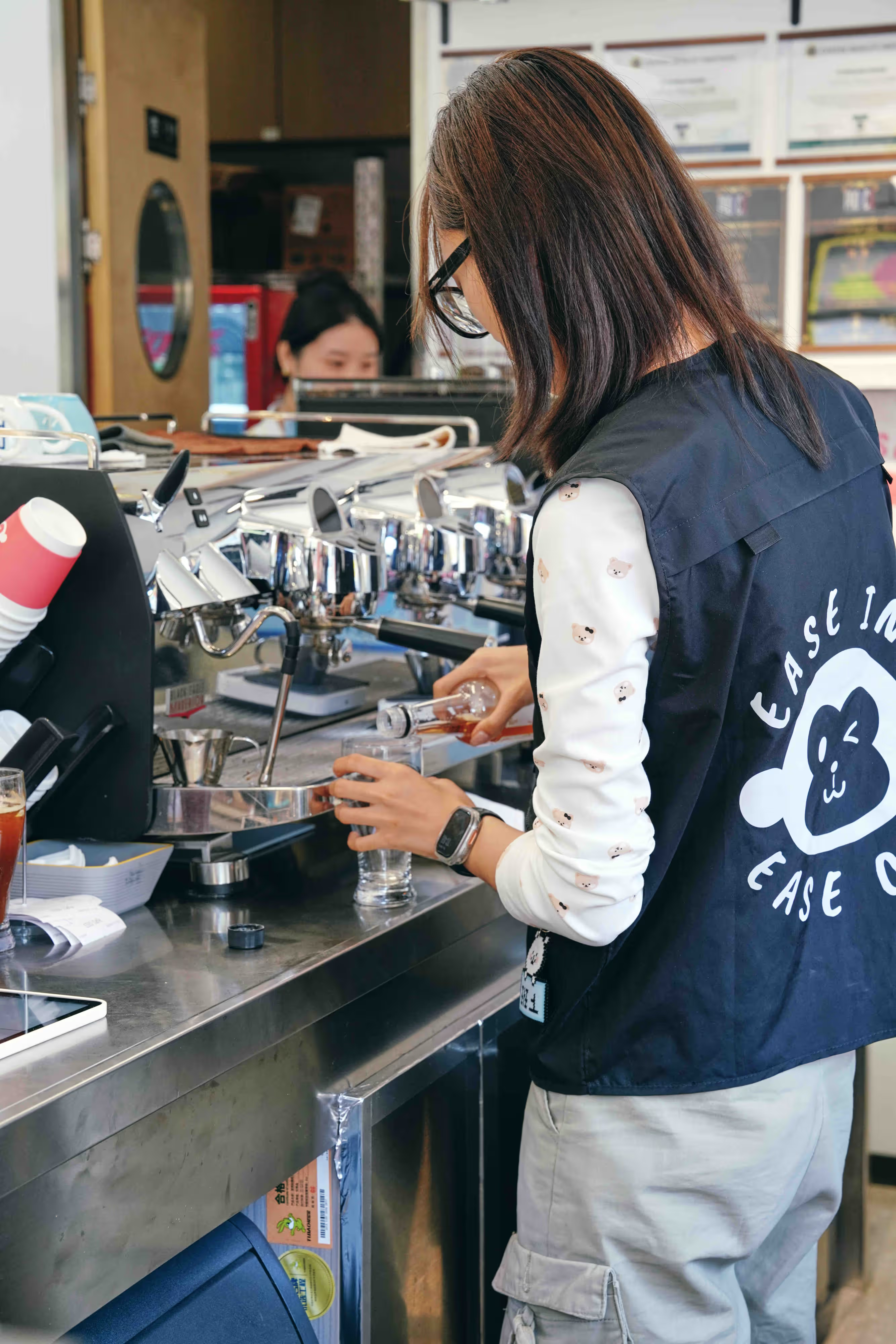
At one point, he turned around to show us the illustration printed on the back of his T-shirt. It depicts a rather unfortunate moment from his first major national roasting competition, when an entire batch of freshly roasted coffee ended up on the floor.
That day, he had two chances to produce his competition entry. He was happy with the first batch, but believed there was still room to improve. So he reheated the machine, weighed out another batch of green coffee, and adjusted the heat and airflow. The second roast came out almost exactly as he had intended—until the discharge gate, which had not been secured properly, gave way and the coffee spilled across the floor.
With little choice, he submitted the first batch. Somewhat unexpectedly, he finished third in the national final.
Rather than leaving the incident behind, Caffrey turned it into an illustration. As he sees it, however carefully you approach something, there will always be factors beyond your control. It is a fitting introduction to someone whose work demands precision, but who also accepts the unpredictability that comes with coffee.
Caffrey and his team have worked in China’s creative design industry since 2016. His involvement in specialty coffee deepened in 2024, when a personal interest grew into more structured study of sensory evaluation, roasting, and brewing. It eventually led him into coffee competitions.
From the outside, it might look like a career change. Caffrey has never thought of it that way.
Much of his work as a designer has involved communicating abstract ideas through colour, composition, texture, and materials. A particular visual language can carry a feeling or give a brand a certain character, even when that feeling is difficult to put into words.
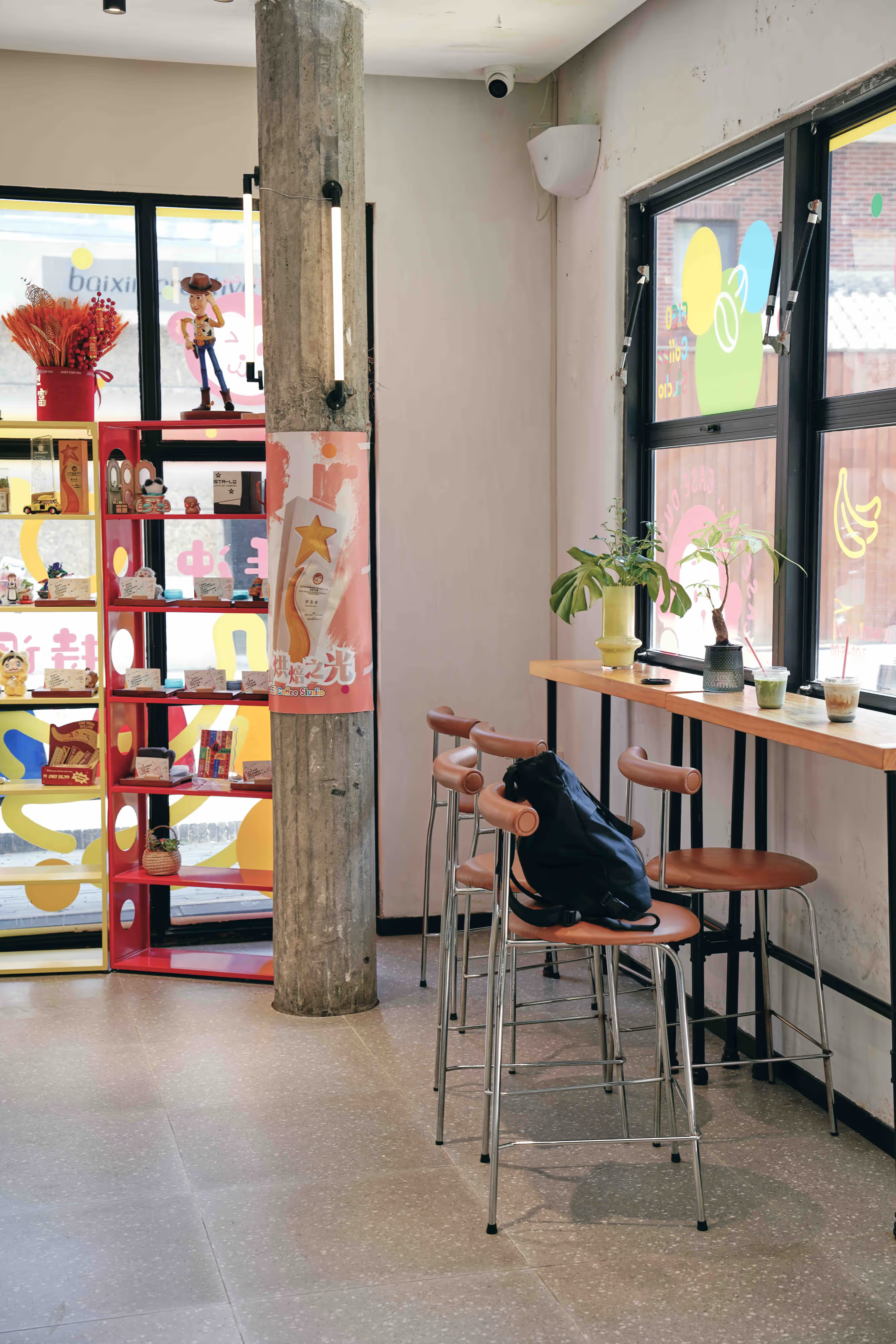
Coffee, he explains, offers a similar opportunity through different senses. A roaster works with aroma, acidity, sweetness, and texture, bringing together qualities that ultimately need to be experienced rather than simply described.
If sight and touch can be mediums for design, why should smell and taste be any different?
For Caffrey, working with coffee has been a natural extension of his creative practice. The tools and materials may have changed, but his interest in how people experience the finished work remains much the same.
One of the things Caffrey enjoys most about roasting is its connection to agriculture. Working with coffees from different origins gives him a way to understand something of the landscapes, climates, and people behind them.

He recalls a recent project involving 33 auction lots from Yemen, a country with a long history of coffee cultivation and trade.
Even among these exceptional coffees—including the auction’s highest-priced lot—he noticed beans that were small and visibly shrivelled. Their appearance made him think about the conditions in which they had grown, particularly the challenges posed by limited water resources.
What moved him was knowing that, despite such difficult circumstances, producers and processing stations had still been able to develop coffees with remarkable and distinctive flavours.
He speaks about the experience with a mixture of admiration and sadness. There was something deeply romantic, he felt, in the care that had gone into producing these coffees.
That feeling carried into his approach to roasting them.
Rather than developing one profile for all 33 lots, Caffrey grouped the coffees according to their processing methods and physical characteristics, then worked out an individual roasting profile for each one. It was a considerably more time-consuming approach, but one he felt was appropriate given the work that had already happened at origin.
Roasting is often discussed in terms of flavour development and technical control. For Caffrey, it also means recognising what a coffee brings with it before it ever enters the machine. Much of the work has already been done by the time the green coffee arrives, and the roaster has a responsibility to give those existing qualities room to come through.
Initiatives such as Best of Yemen, organised by the Alliance for Coffee Excellence and Qima Coffee, offer a broader view of the diversity of Yemeni coffee and the producers working to preserve its heritage.
As we explored EIEO’s workspace, our conversation turned to the relationship between roasting and brewing—two areas of coffee that Caffrey believes are difficult to separate.
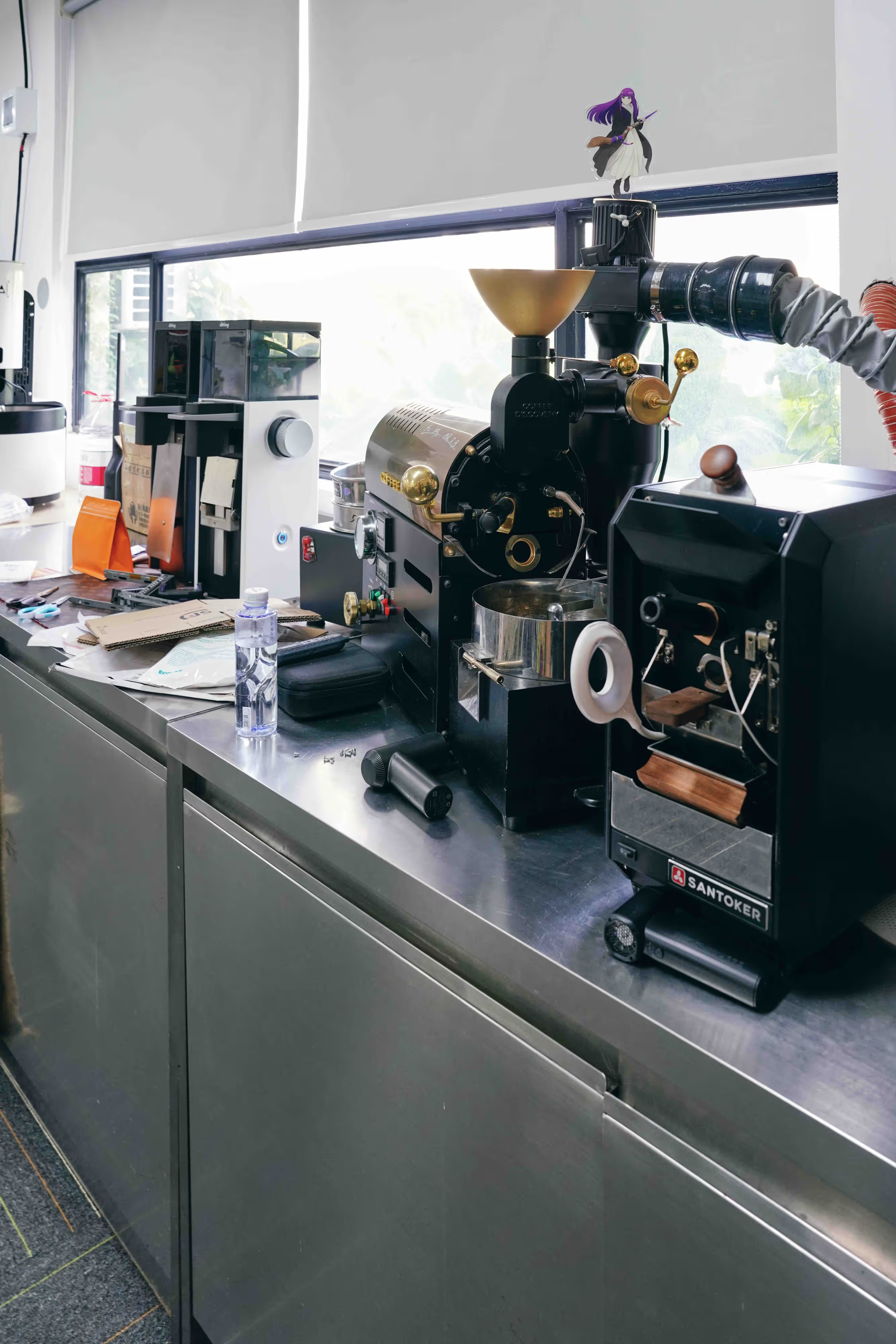
Of the competitions he has taken part in, roasting and brewing are the ones he finds most engaging. Each offers a different way of understanding the same coffee, and experience in one discipline continually informs the other.
A better understanding of extraction can help a roaster make more considered decisions about flavour development. Likewise, knowing how a coffee has been roasted can help a brewer decide how best to approach grinding and extraction.
Shortly before our visit, Caffrey worked with Italian grinder manufacturer Eureka and experienced coffee-competition judges on an evaluation of a variable-speed grinder.
The team selected coffees representing four processing methods—natural, washed, honey, and anaerobic—across three roast levels. They then tested combinations of three grinding speeds and three grind settings, preparing a total of 108 cups of coffee.
Grind size is familiar to most coffee enthusiasts, but grinding speed introduces another dimension. Understanding how these variables interact with different coffees requires more than simply finding a preferred setting.
The experiment gave Caffrey a chance to explore those relationships in greater detail, connecting decisions made during roasting with the way a coffee is eventually prepared and tasted.
He applies much the same thinking to roasting competitions. Although the competition focuses on roasting, the finished work is ultimately judged in a cup.
He pays attention to details such as the materials used for cupping bowls. Ceramic and resin vessels behave differently when exposed to hot water, potentially affecting the temperature of the slurry and the conditions under which extraction takes place.
These may seem like small considerations, but they become relevant when a roaster is trying to understand how a coffee will perform beyond the familiar environment of their own roastery.
For Caffrey, learning to roast coffee well also means learning how it will be brewed, tasted, and understood by others.
One of the more interesting details in EIEO’s workspace is a collection of bottled water from different regions of China, including Dujiangyan in Sichuan, Wanlü Lake in Guangdong, Danjiangkou, and Qiandao Lake.
Each bottle gives Caffrey a way to explore how coffee behaves under different brewing conditions.
The mineral composition, hardness, and alkalinity of water can influence both extraction and the resulting sensory experience. Water quality has long been a subject of research and professional discussion within the Specialty Coffee Association.
For Caffrey, however, the subject has a particularly practical relevance.
As a roaster based in Shanghai, he knows the water he uses every day and how his coffees perform in that environment. Once a bag of coffee leaves the roastery, those conditions begin to change. A customer in Guangdong or Sichuan may be using water with a different mineral composition, along with their own equipment and brewing habits.
A coffee that tastes exceptional in the roastery may therefore produce a rather different experience in someone else’s kitchen.
Regional food cultures add another layer of complexity. Caffrey mentions conversations with coffee professionals in Thailand, as well as the traditions of sour foods in parts of southern China. These experiences have made him think about how people’s familiarity with certain flavours might shape their appreciation of acidity in coffee.
He uses the word empathy to describe the ability to understand these differences.
When a customer does not enjoy a coffee in the way its roaster intended, Caffrey believes there is more value in exploring why than in questioning the customer’s understanding of coffee.
It is an idea that feels familiar to him as a designer. Having a distinctive aesthetic is important, but working with other people also requires an understanding of their circumstances, preferences, and needs.
He sees roasting in much the same way. The work has to make sense beyond the environment in which it was created.
Among EIEO’s coffee bags, one format particularly caught our attention: a small 60g pack developed for some of the brand’s more exceptional coffees.
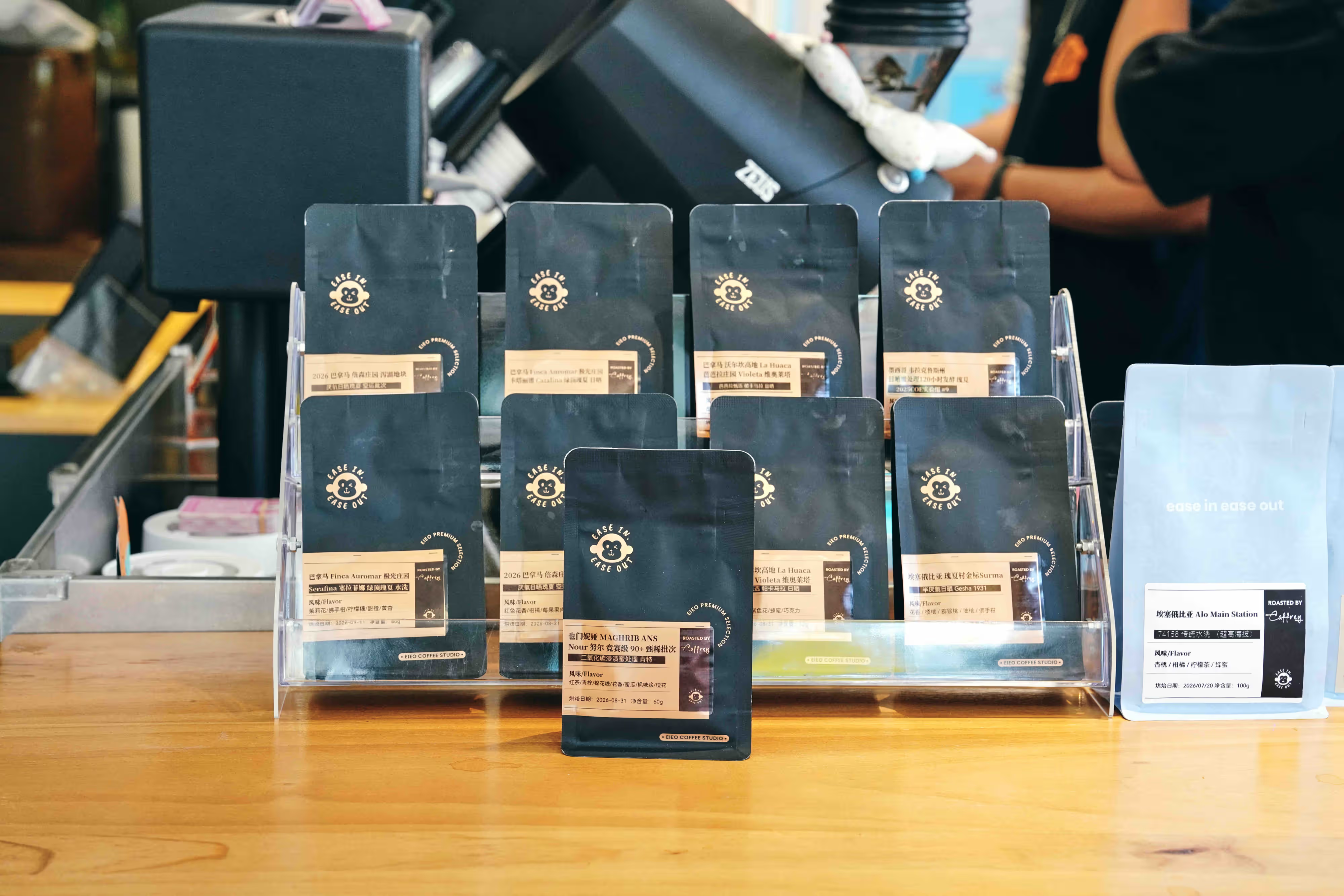
The reasoning behind it was surprisingly practical.
Caffrey wanted to make rare and often expensive coffees more approachable without reducing their value. He illustrates the idea with a simple example: a coffee priced at RMB 3 per gram would cost RMB 300 in a 100g bag. At 60g, the same coffee would cost RMB 180.
The price per gram remains unchanged, but the amount a customer needs to spend to try the coffee becomes considerably more manageable.
For someone curious about an unusual variety or a highly regarded auction lot, that difference may be enough to make the purchase worthwhile.
Smaller, single-dose packs of around 15g offer another way to make expensive coffees accessible, although Caffrey felt that this format did not quite suit what he wanted to offer. Part of the pleasure of discovering a new coffee comes from having the chance to brew it more than once, make adjustments along the way, and gradually get to know its character.
The 60g format gives customers room for that exploration while keeping the overall purchase price within reach.
Deciding the weight, however, is only one part of developing the packaging.
Different coffee varieties can vary considerably in size, density, and how much they expand during roasting. A bag that comfortably holds 60g of one coffee may struggle to hold the same weight of another.
Caffrey’s experience as a roaster gives him a practical understanding of these differences, which naturally informs how he approaches packaging dimensions and capacity.
It is a consideration worth keeping in mind when developing custom coffee packaging. Testing a bag with the actual coffee it will contain can be far more useful than relying on its nominal weight alone.
What looks like a fairly simple packaging decision brings together several considerations: the characteristics of the coffee, product pricing, consumer behaviour, and the kind of experience EIEO wants to offer its customers.
When we asked Caffrey about his approach to packaging, he began with food safety. Once the basic requirements of protecting the product have been met, he believes there is considerable room to explore how packaging communicates the character of a brand.
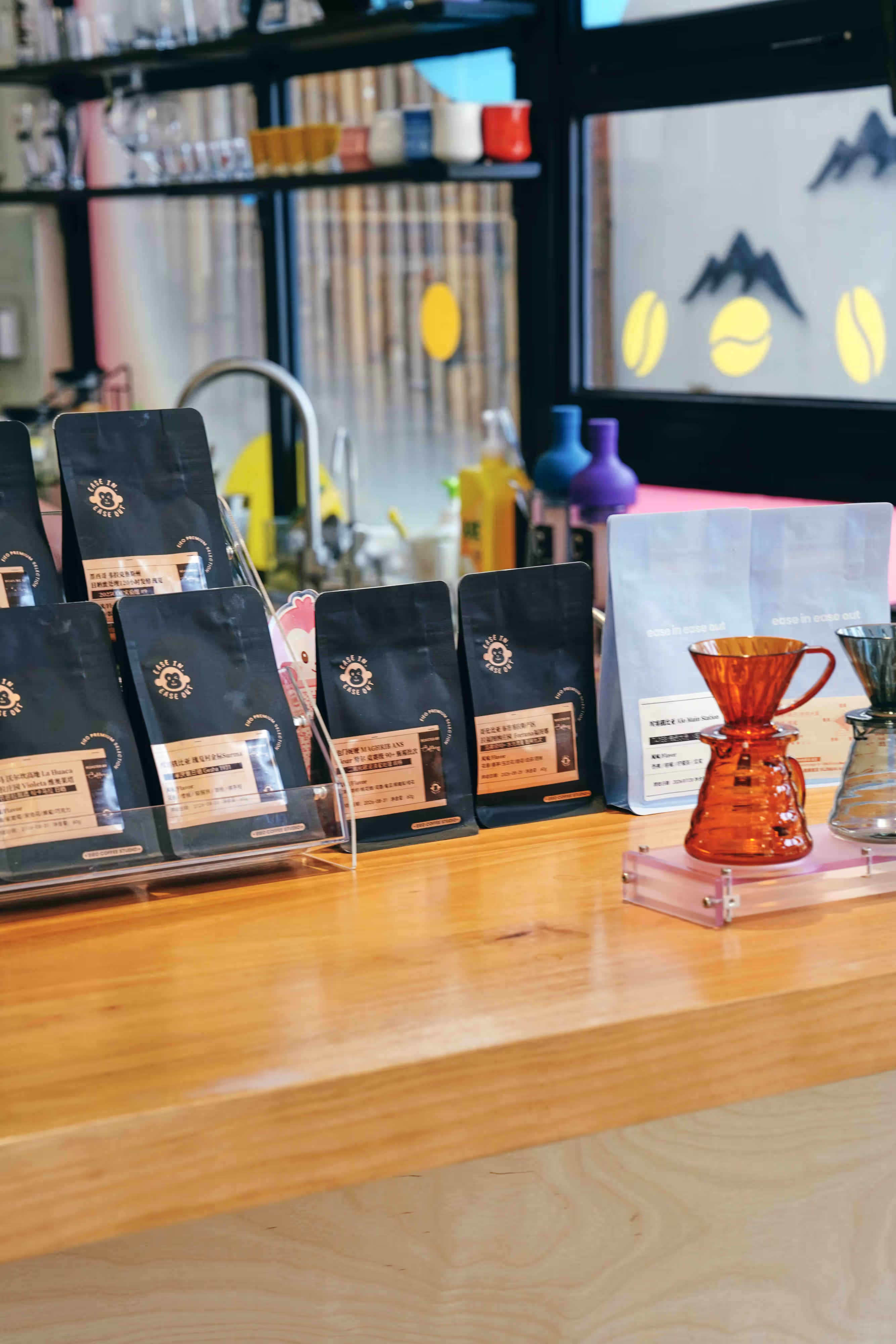
He describes a coffee bag as the first calling card a brand presents to someone who has never encountered it before.
That first impression comes from more than printed artwork. It includes the weight and texture of the material, the way the bag feels in the hand, and the experience of opening it for the first time.
EIEO previously used a kraft-paper-based packaging format. While it had a particular visual and tactile quality, Caffrey found that the material did not always tear as cleanly as he would have liked.
He describes the situation with some humour. Imagine coming home after a long day at work, looking forward to making yourself a cup of coffee, only to find that the bag tears awkwardly when you try to open it.
It is a minor inconvenience, but one that can take something away from an otherwise enjoyable moment.
As EIEO developed its newer packaging, the opening experience became one of the factors informing its choice of materials.
Material thickness is another detail Caffrey considers carefully. Even a relatively small difference can change the way a bag feels and the impression it leaves. Customers may have no idea what a particular film is made of or how thick it is, but they can usually tell when something feels substantial in their hands.
These qualities are difficult to communicate through a digital mockup. They become apparent when a physical sample is picked up, handled, and opened in much the same way a customer would use it.
For someone who has spent years working with visual and tactile design, these brief encounters are meaningful. A coffee bag can be visually understated while still communicating a great deal about the thought that has gone into its development.
In Caffrey’s view, even the choice of packaging material can reveal something about the personality of the person behind the brand.
With nearly a decade of experience in creative design, Caffrey is also conscious of the relationship between aesthetics and the realities of running a business.
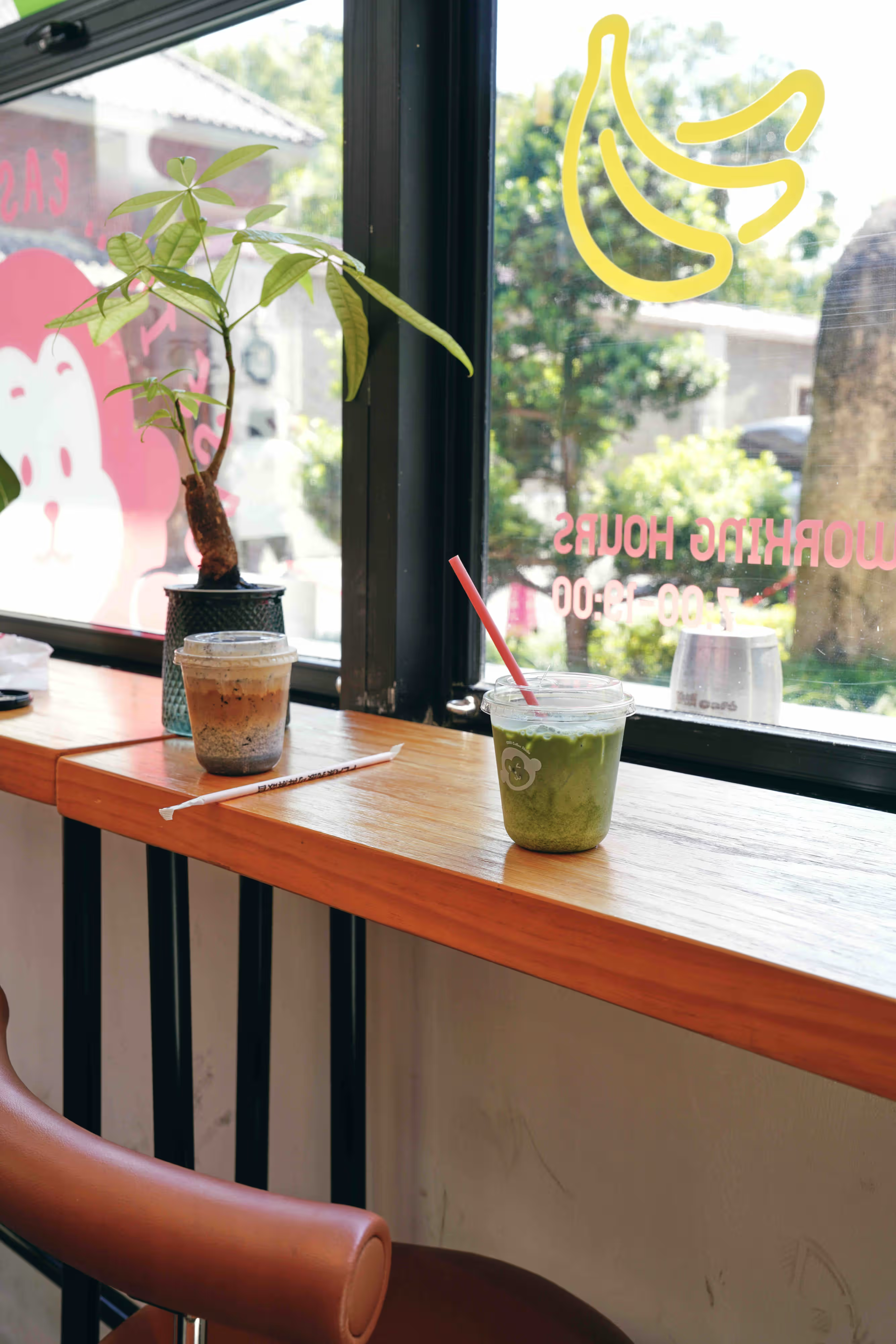
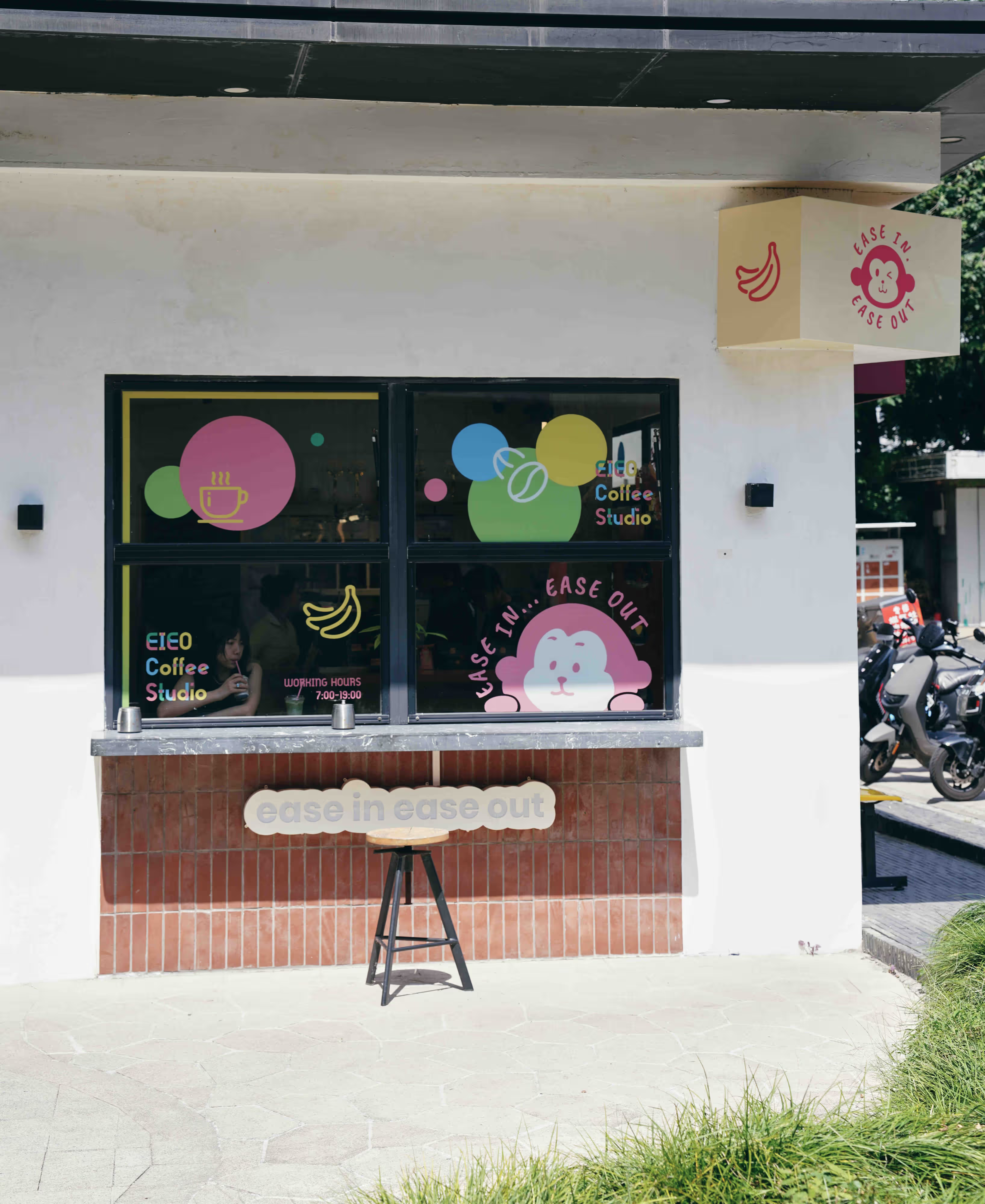
During our conversation about EIEO’s visual identity, including its distinctive monkey character, he brought up the minimalist design language widely seen among European and North American specialty coffee brands.
While he appreciates many of these designs, he does not believe that adopting a similar aesthetic will necessarily produce the same results in a different market.
China’s coffee industry has its own commercial environment, consumer habits, and competitive pressures. A brand needs to consider how people discover its products, what encourages them to make a purchase, and whether they will recognise the brand when they encounter it again.
A package can be beautifully designed yet struggle to leave a lasting impression. From a purely aesthetic perspective, there may be little wrong with it, but its effectiveness as a piece of commercial design is another matter.
For Caffrey, design decisions therefore need to develop alongside product strategy and brand operations.
Sometimes the answer lies in creating a more recognisable visual identity. At other times, it might involve reconsidering a pack size, changing a material, or improving the way a bag opens.
The visual identity is one part of a much larger set of decisions that shape how customers come to know a brand.
Towards the end of our visit, we asked Caffrey what he would share with other designers, roasters, and people working in coffee.
He returned to two ideas that had surfaced repeatedly throughout our conversation.
The first was to make the things you genuinely want to make when you have the freedom to do so. The second was to remain humble enough to listen, learn, and reconsider what you already know.
Having a personal perspective and being open to other people’s experiences are, in his view, entirely compatible.
There is a clear sense of personal expression in Caffrey’s work at EIEO, alongside a willingness to investigate even the smallest details that might improve it. That curiosity has taken him from developing individual roasting profiles for 33 Yemeni coffees to evaluating 108 cups of coffee, comparing water from different regions, and reconsidering how a coffee bag should feel when someone opens it.
Our visit to EIEO offered a glimpse into how closely these seemingly separate decisions can be connected.
Between the farm where a coffee is grown and the kitchen where it is eventually brewed, countless choices shape the finished experience. Some are made by producers; others by roasters, designers, and the people preparing the coffee themselves.
Caffrey’s work reflects an ongoing interest in understanding those connections, and in making something that feels considered not only to the person who creates it, but also to the person who receives it.
As for the batch of coffee that never made it to the competition judges, it lives on in the illustration on his T-shirt—a small reminder that even the most carefully considered work can leave room for the unexpected.
About the Author

Jaden Yang is a brand strategist and writer whose work explores the intersection of design, commerce, and culture. Through PROOF, he examines the ideas, people, and processes behind brands, with a particular interest in how everyday objects acquire meaning.
Based on our visit to EIEO’s roastery and a conversation with Caffrey Wang on 15 September 2026. The interview was conducted in Mandarin and edited for clarity as part of PROOF by Holden Pak, where we explore the people, ideas, and processes behind coffee, design, and packaging.
We’ll reply within one business day to confirm the details and help with your quote.